By




















































By Victoria Yanyun | Photos by Angela Lui
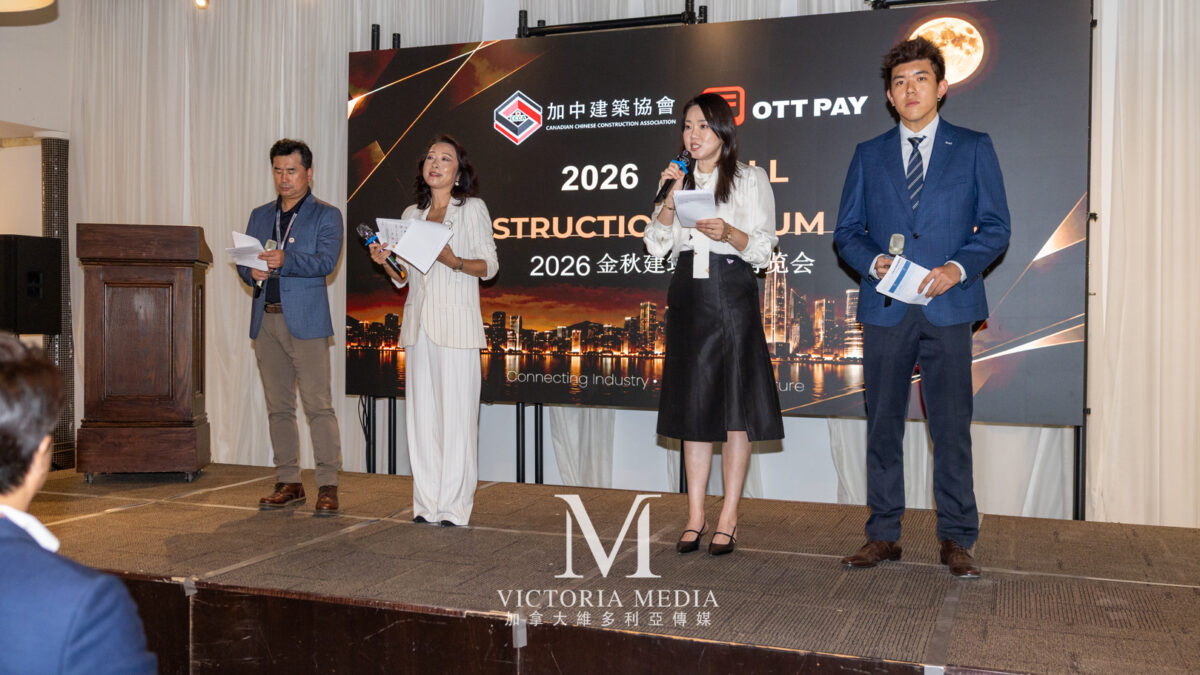
When over a thousand developers, contractors, tradespeople, and financial professionals gathered in Markham, Ontario, for the Canadian Chinese Construction Association’s (CCCA) annual Autumn Industry Forum and Expo, the mood was noticeably different from the frenzy of earlier market cycles.
The era of rapid appreciation and easy financing that fueled the Greater Toronto Area’s real estate expansion has given way to high interest rates, elevated municipal fees, and tighter capital constraints. Against this backdrop, the gathering served as a window into how an influential segment of Canada’s building economy is reframing its strategy: moving away from volume-driven growth and toward operational discipline, regulatory literacy, and vertical integration.
Navigating Policy and Capital Scarcity
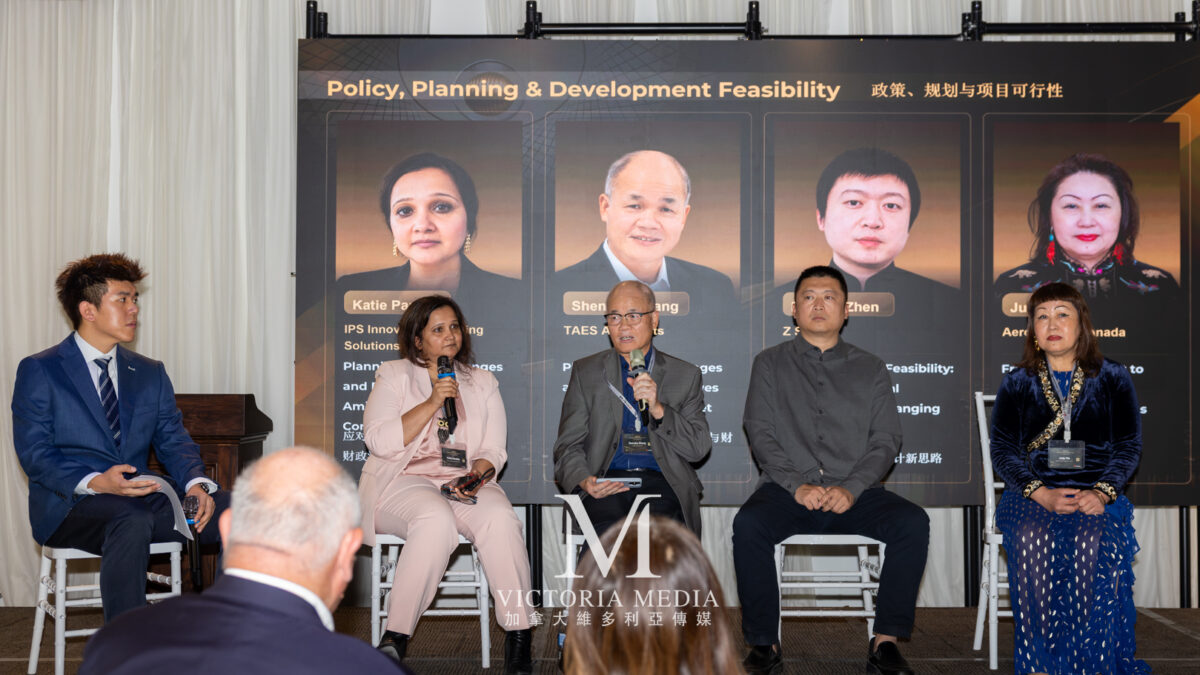
For mid-sized builders and independent developers, project viability today is determined far earlier in the timeline than it used to be. Where discussions once centered on architectural design and marketing timelines, today’s critical path begins with government incentive programs, tax efficiency, and non-bank financing structures.
This shift was mirrored across the event’s proceedings. Addresses from federal and municipal officials focused heavily on liquidity relief and overhead reduction—ranging from federal subsidies for licensed trades training to Toronto’s development charge exemptions for multi-unit housing. For builders working on narrow margins, navigating these public sector mechanisms has become as vital as managing cost per square foot.
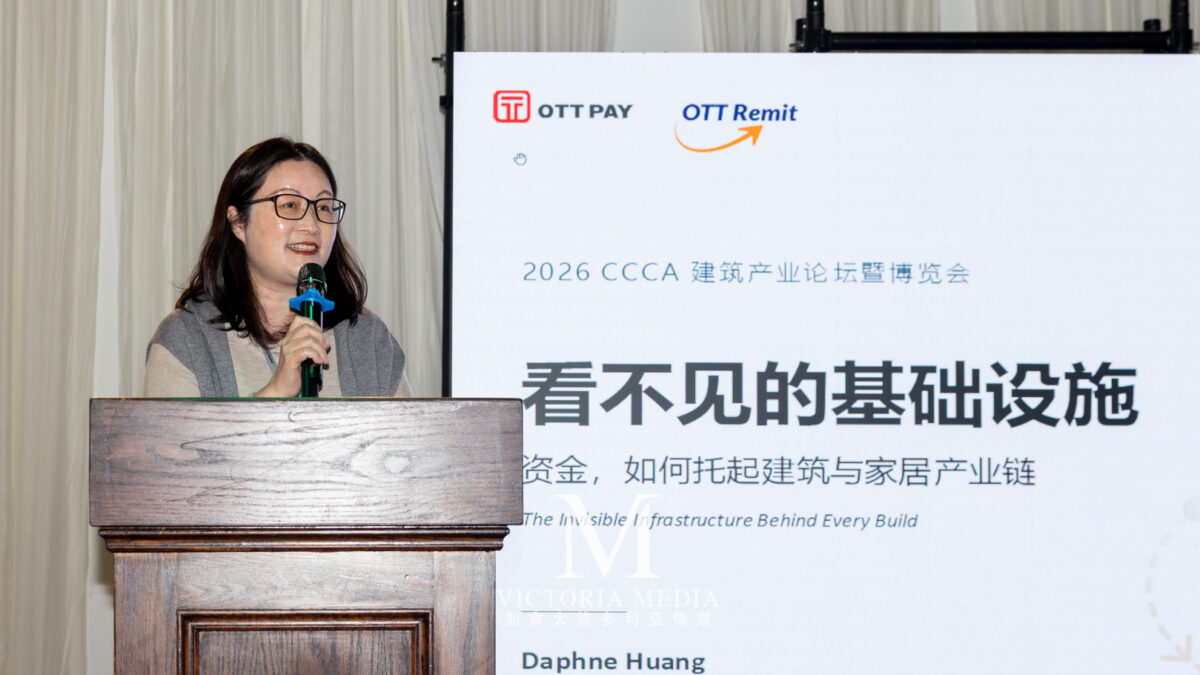
Similarly, panel discussions on capital allocation highlighted a growing reliance on alternative financing, structured equity, and cross-border payment architecture. As traditional lenders tighten credit conditions, developers are restructuring capital stacks to keep projects moving while protecting cash flow.
Sustainability as a Risk Management Strategy
The industry’s approach to green building and technology has undergone a parallel transition. Sustainable design, once framed as a premium selling point, is increasingly treated as a core cost-control and valuation measure.
Panels on building materials and mechanical systems focused on practical implementations: low-carbon cement, high-efficiency fenestration, and modern HVAC retrofits. In a buyer’s market where long-term operating expenses are scrutinized by lenders and prospective buyers alike, thermal performance and energy resilience directly influence asset value.
Digital tools are following a similar trajectory. Discussions around digitized field operations, automated compliance tracking, and smart communications reflected an effort to strip out administrative friction and prevent costly delay claims.
Overcoming Fragmentation in the Supply Chain
Historically, the Chinese-Canadian construction ecosystem has operated in distinct silos—architects, trades, material importers, and legal advisers often working through fragmented networks.
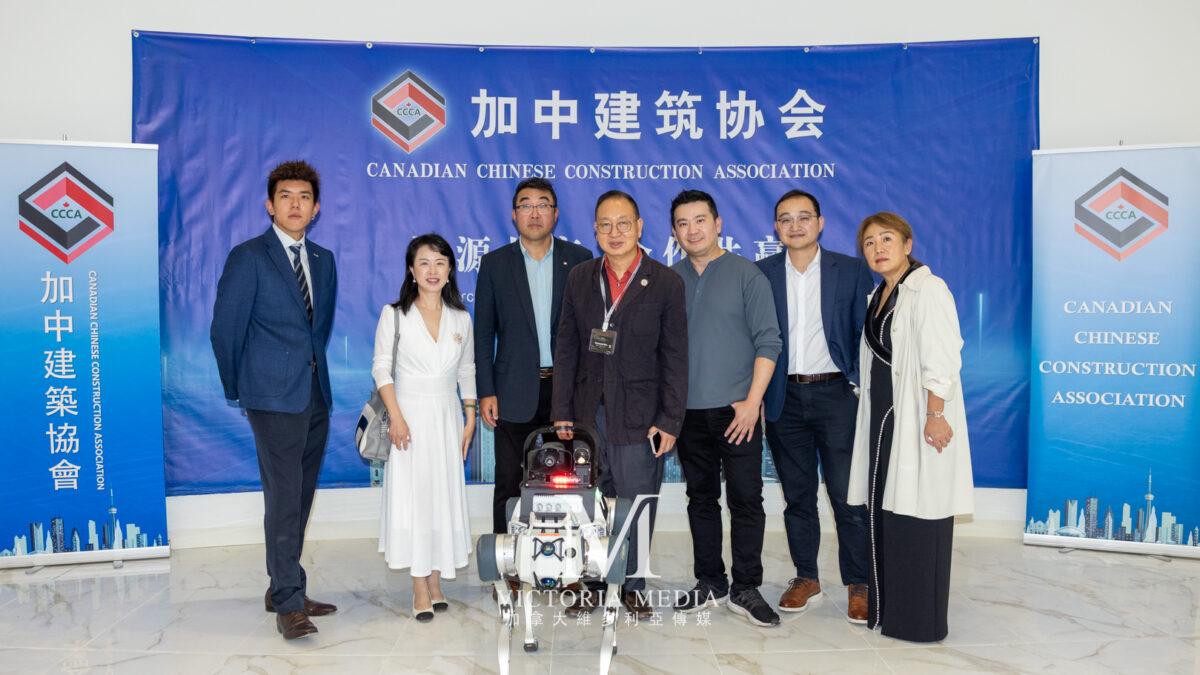
Events like the CCCA Expo demonstrate a deliberate push to consolidate these commercial linkages under one roof. Bringing 80 exhibitors spanning engineering, legal services, commercial insurance, and heavy equipment into direct contact with developers addresses a persistent structural issue: the high cost of trust and communication across complex supply chains.
As market headwinds persist throughout the broader Canadian housing sector, the survival and growth of independent builders will depend on their ability to adapt to a tighter margin environment. The takeaway from Markham is that this adaptation is well underway—driven not by speculation, but by tighter risk management, policy alignment, and closer cross-industry collaboration.