By
By 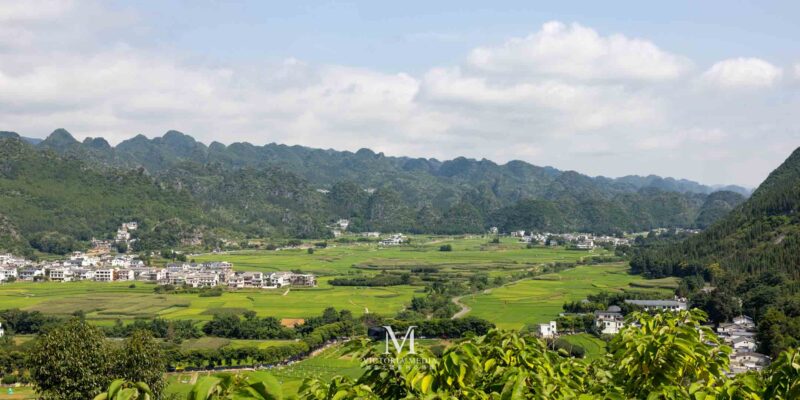
“Not three feet of flat land, not three days of clear sky, not three coins of silver to a person’s name.”
By Angela Lui | Photos by the author
QIANXINAN, China — For generations, this old provincial proverb captured the historical realities of Guizhou’s southwestern landscape: daunting mountain ranges, relentless cloud cover, and deep-seated economic isolation.
Today, Guizhou—and Qianxinan Buyi and Miao Autonomous Prefecture in particular—is dismantling these historical barriers. By turning former geographical obstacles into distinct regional assets, the prefecture is redefining its identity and establishing a bold new framework for mountain cultural tourism.
Overcoming the Terrain: Mega-Bridges and Modern Connectivity
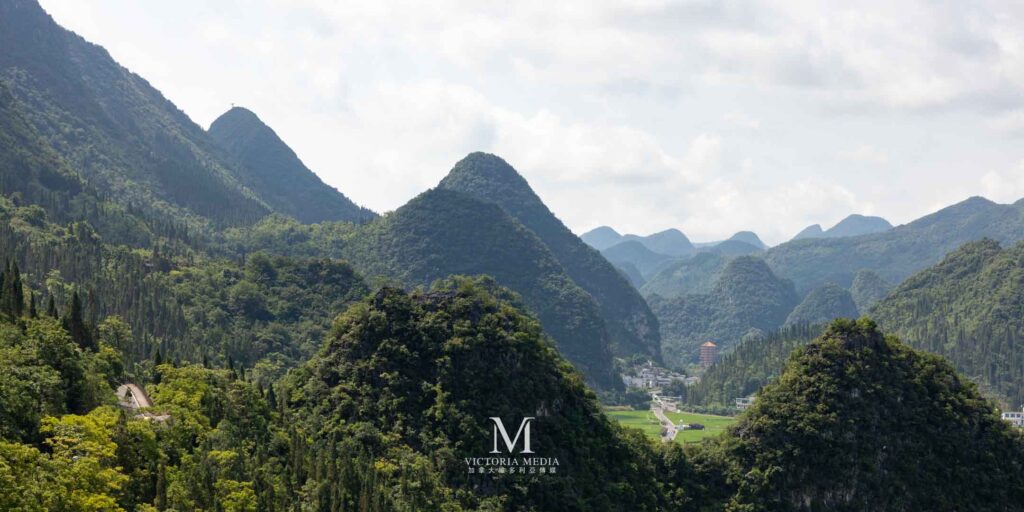
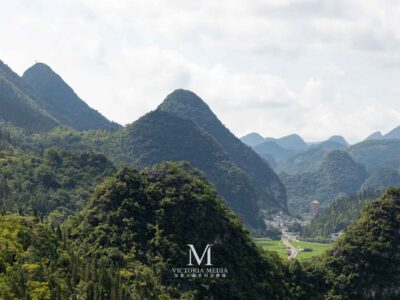
The dramatic karst topography of Qianxinan is the result of ancient geological shifts—a prehistoric ocean seabed uplifted over millennia into towering peak forests, deep river canyons, and intricate cave systems.
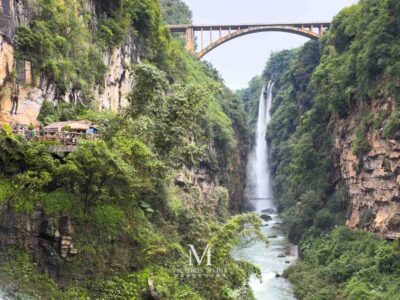
While breathtaking, this landscape long posed severe logistical challenges. Historically, traversing a single gorge meant days of hazardous travel. For local communities, infrastructure was never merely a convenience; it was a vital lifeline tied to healthcare, education, and economic opportunity.
Rather than accepting geography as a barrier, the region pioneered engineering solutions to overcome it. From the historic Twenty-Four Curves mountain pass in Qinglong to modern engineering marvels like the soaring Huajiang Grand Canyon Bridge, Qianxinan has transformed formidable canyons into world-class transportation corridors. These mega-bridges do more than connect mountain villages to global markets; they allow travelers to seamlessly access cultural and natural sites that were once isolated for centuries.
Capitalizing on the Climate: Agriculture and Mountain Wellness
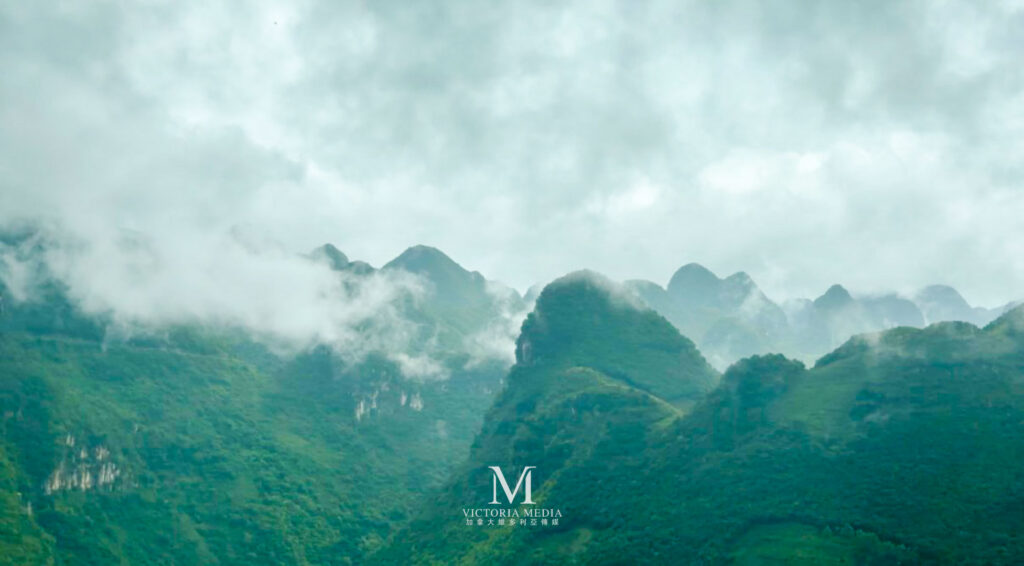
The persistent mist and rainfall characteristic of the region—once viewed as a barrier to development—have become the foundation for a flourishing agricultural and wellness economy.
Qianxinan’s temperate climate and moisture-rich air nourish a diverse array of mountain specialty crops, including local teas, *Rosa roxburghii* (cili fruit / 刺梨), chilies, pearl barley (薏米), and under-canopy *Lingzhi* (Reishi mushroom / 灵芝).
In destinations like Wanfenglin (Forest of Ten Thousand Peaks / 万峰林), this lush ecosystem forms the backdrop for integrated eco-tourism. Karst peaks, cultivated terrace fields, traditional stone villages, and boutique homestays merge into a cohesive landscape. Tourism here extends beyond simple sightseeing; it invites visitors to slow down, immerse themselves in nature, and experience a sustained, health-oriented lifestyle.
Cultural Vitality: Heritage, Community, and Gastronomy
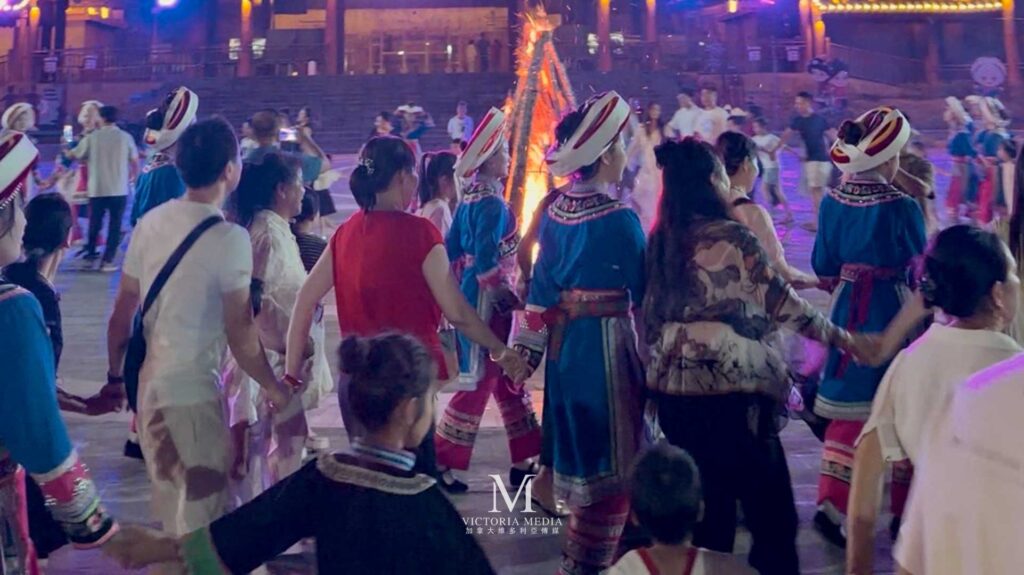
Economic resilience in Qianxinan is deeply rooted in its rich multicultural heritage. The region’s diverse ethnic groups—including the Miao, Buyi, Yi, and Dong, among others—have preserved distinct cultural traditions that continue to thrive in daily life.
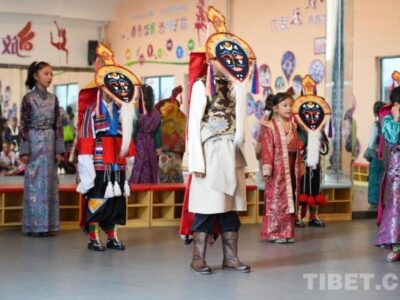
From intricate Miao embroidery and Buyi indigo wax batik to Dong choral singing and traditional architecture, local heritage is actively practiced and shared. This living culture naturally extends to the region’s distinct culinary traditions, famous for their vibrant sour and spicy flavor profiles.
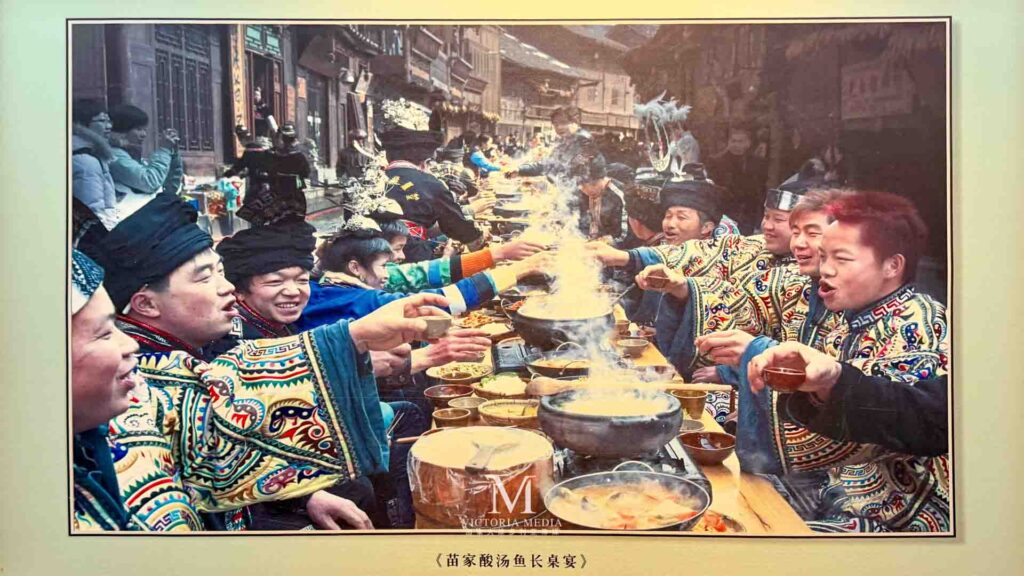
Local staples—such as red sour soup (红酸汤), crispy pork flakes (脆哨), spicy chicken (辣子鸡), seasoned potato cakes (洋芋耙), and beef rice noodles (牛肉粉)—reflect the authentic and hospitable spirit of the community. Dining in Qianxinan is a collective, social experience where shared meals build immediate connections between locals and travelers alike.
A New Chapter
Where geographical isolation once defined the region, Qianxinan has forged a new narrative built on resilience, modern connectivity, and ecological stewardship. By bridging formidable gorges, turning persistent rain into agricultural abundance, and nurturing its living ethnic heritage into thriving local industries, the region is turning yesterday’s hardships into enduring regional strength.
Qianxinan is no longer a destination for a quick, fleeting visit. Through its harmonious synthesis of dramatic landscapes, cultural depth, and modern hospitality, it offers an enduring, immersive experience that invites travelers to stay, explore, and return.