By
By 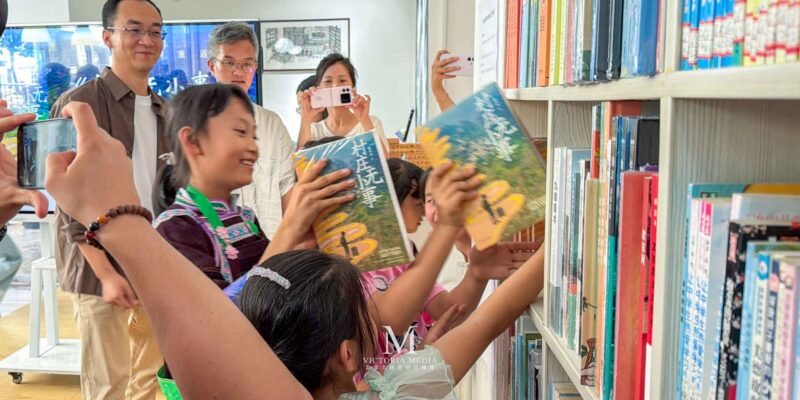
By Angela Lui | Photos by the author
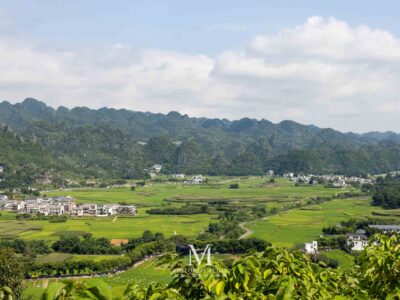
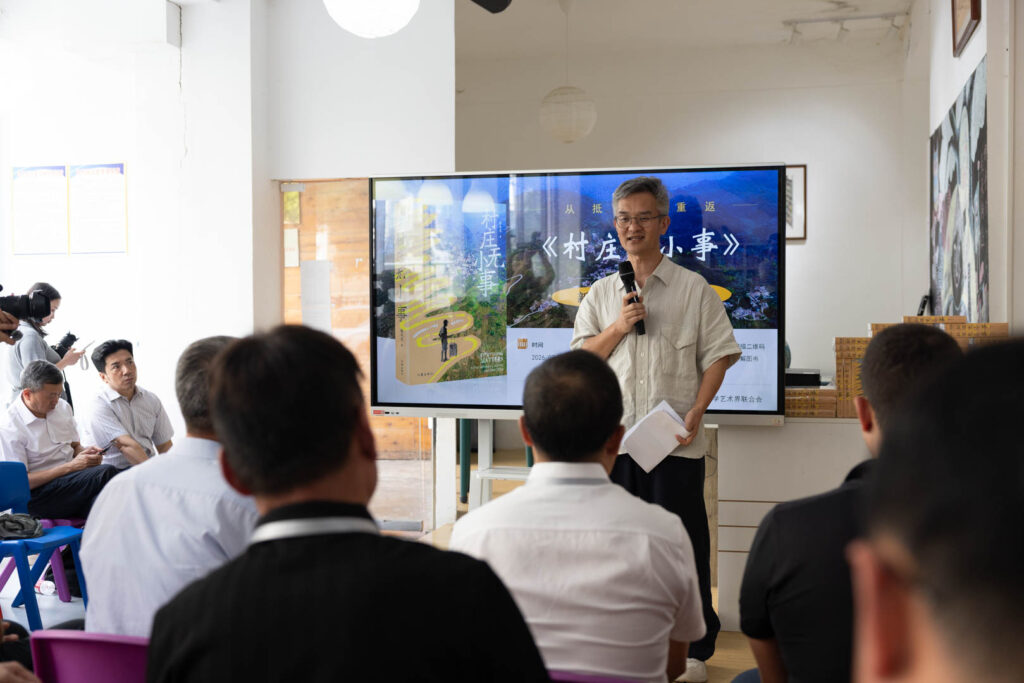
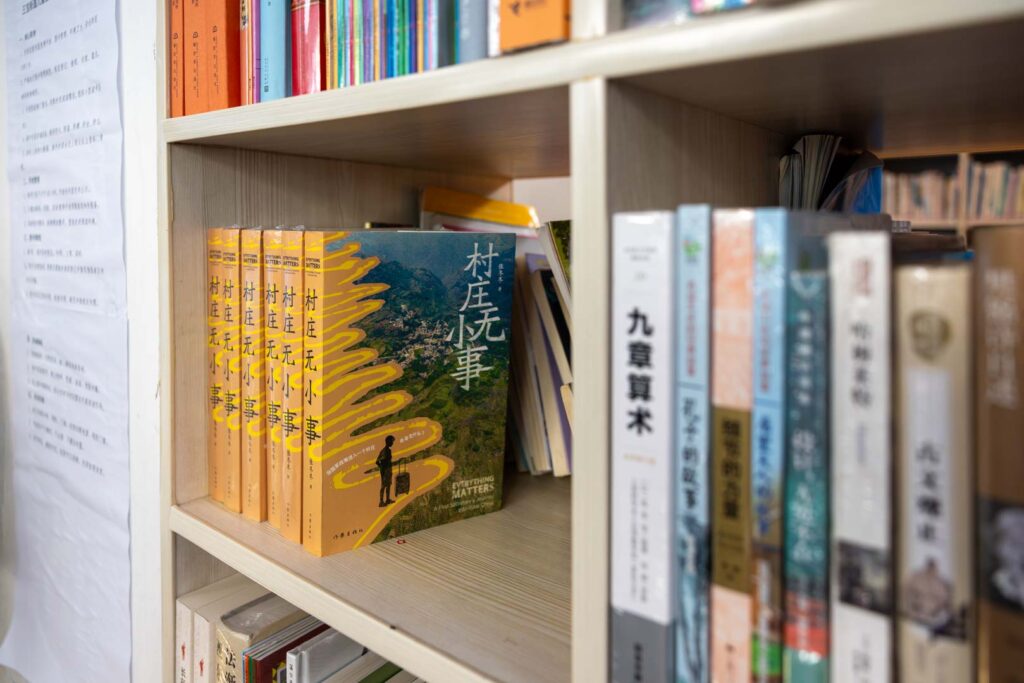
QINGLONG, China — Inside the Sanbao Children’s Library, there were no grand speeches or ribbon-cuttings—just a quiet homecoming for Zhang Dongdong. A former journalist turned university lecturer, Zhang returned to this remote Guizhou county to present his book, Everything Matters: A First Secretary’s Journey into Rural China (《村庄无小事》). Between 2019 and 2021, he served here as a stationed village first secretary, navigating the complex realities of high-rise resettlement in Sanbao and agricultural survival in deep-mountain Zhanma Village.
Official progress reports often compress massive societal shifts into neat statistics, masking the human friction behind them. Zhang’s narrative reveals that policy does not automatically become daily reality when handed down from above. In Zhanma, progress was measured not in macro-metrics, but in solving immediate, unscripted struggles—from unsellable crops to children with nowhere to study. By establishing modest reading spaces in Zhanma and Sanbao, Zhang sought to bridge these quiet gaps, giving village youth a quiet desk and a glimpse beyond the surrounding mountains.
The book captures a countryside balancing relocation with tradition. In Sanbao’s resettlement blocks, multi-ethnic families build social trust through neighborly mutual help. In Zhanma, residents gather at informal courtyard meetings (“Yuanba Hui”) to debate local policies and weigh economic risks. These interactions show that rural development is neither a top-down directive nor a frictionless success, but a continuous negotiation between public resources and individual choices.
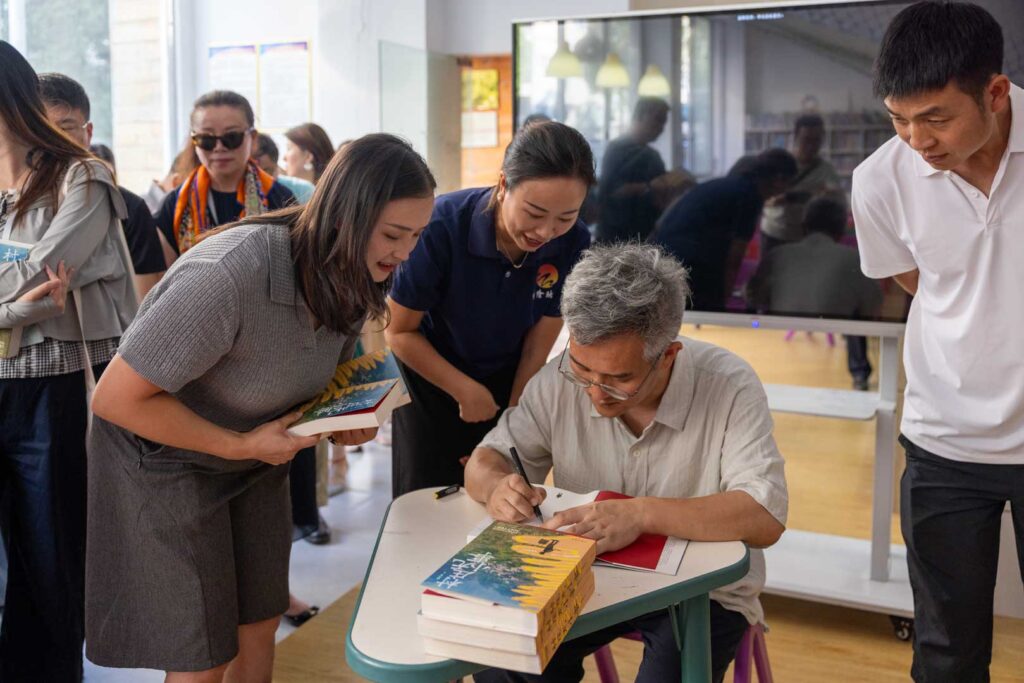
Ultimately, Zhang’s account offers a realistic look at modern China from the bottom up. International observers often view China as a rigid, top-down machine, missing the dynamic human agency that makes it work. This compelling non-fiction work bridges that gap, offering a rare window into how policies are truly delivered and adapted on the ground—where national development ultimately collides with, and is shaped by, ordinary human experience.