By
TIANJIN, China — Chinese companies seeking to expand overseas must do more than sell products: they need to earn trust, adapt to local markets and turn technological advances into practical solutions, business leaders told a forum in Tianjin.
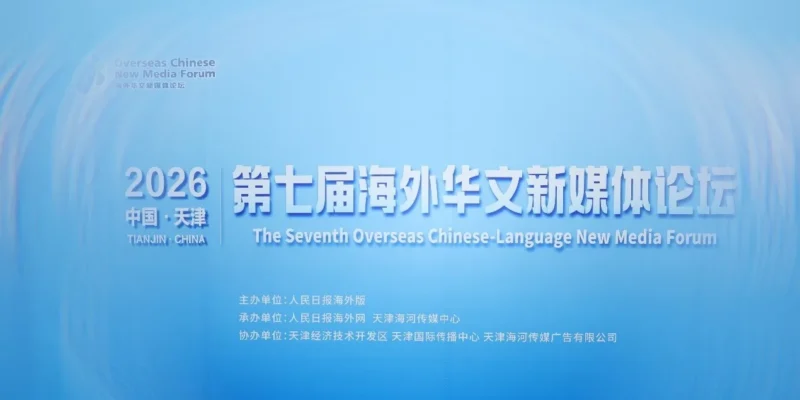
The seventh Overseas Chinese New Media Forum opened in the northern Chinese port city on October 14. At an afternoon session titled “Fertile Ground for Openness: Connecting Global Opportunities,” representatives of leading companies from the Tianjin Economic-Technological Development Area discussed the global expansion of Chinese technology, artificial intelligence’s impact on work and daily life, and connections across international supply chains.
A central theme was “new quality productive forces,” a Chinese policy term describing growth driven by technological innovation, greater efficiency and higher-quality production.
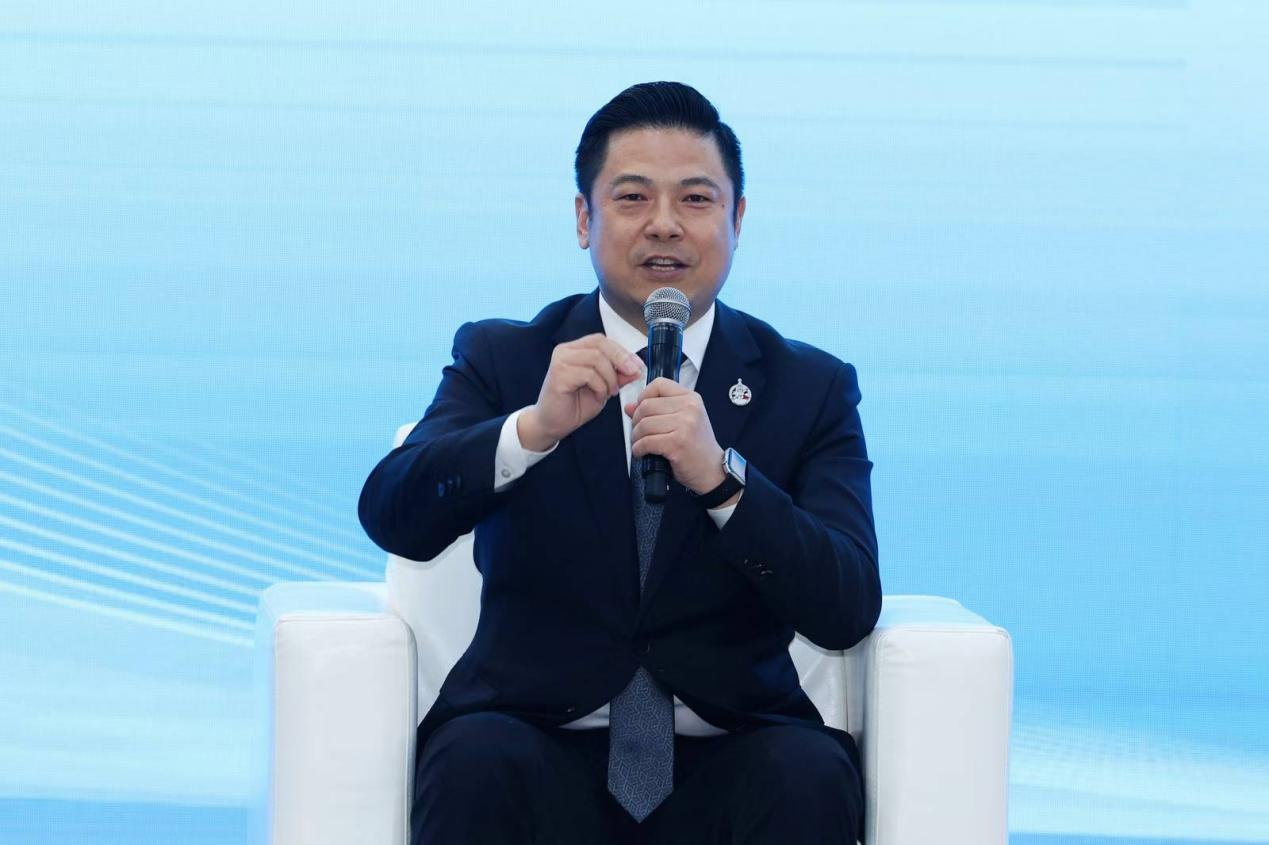
Zhu Shengli, co-founder and chief marketing officer of i-KINGTEC
Zhu Shengli, co-founder and chief marketing officer of drone technology company i-KINGTEC, said the concept meant combining resources and technology to deliver substantial gains in productivity and quality.
For his company, that has involved bringing together cloud computing, AI and flight-control technology to develop drone systems for the low-altitude economy.
Founded in Beijing’s Zhongguancun technology hub on March 7, 2017, the company began expanding in Tianjin’s Binhai area the following year. It initially served the power sector before moving into inspections of oil and petrochemical pipelines.
“Through that process, we turned drones into a network in the sky and went through four technological revolutions,” Zhu said. “Each represented a new advance in productivity.”
For Chinese medical device manufacturers, the challenge is as much about credibility as technology.
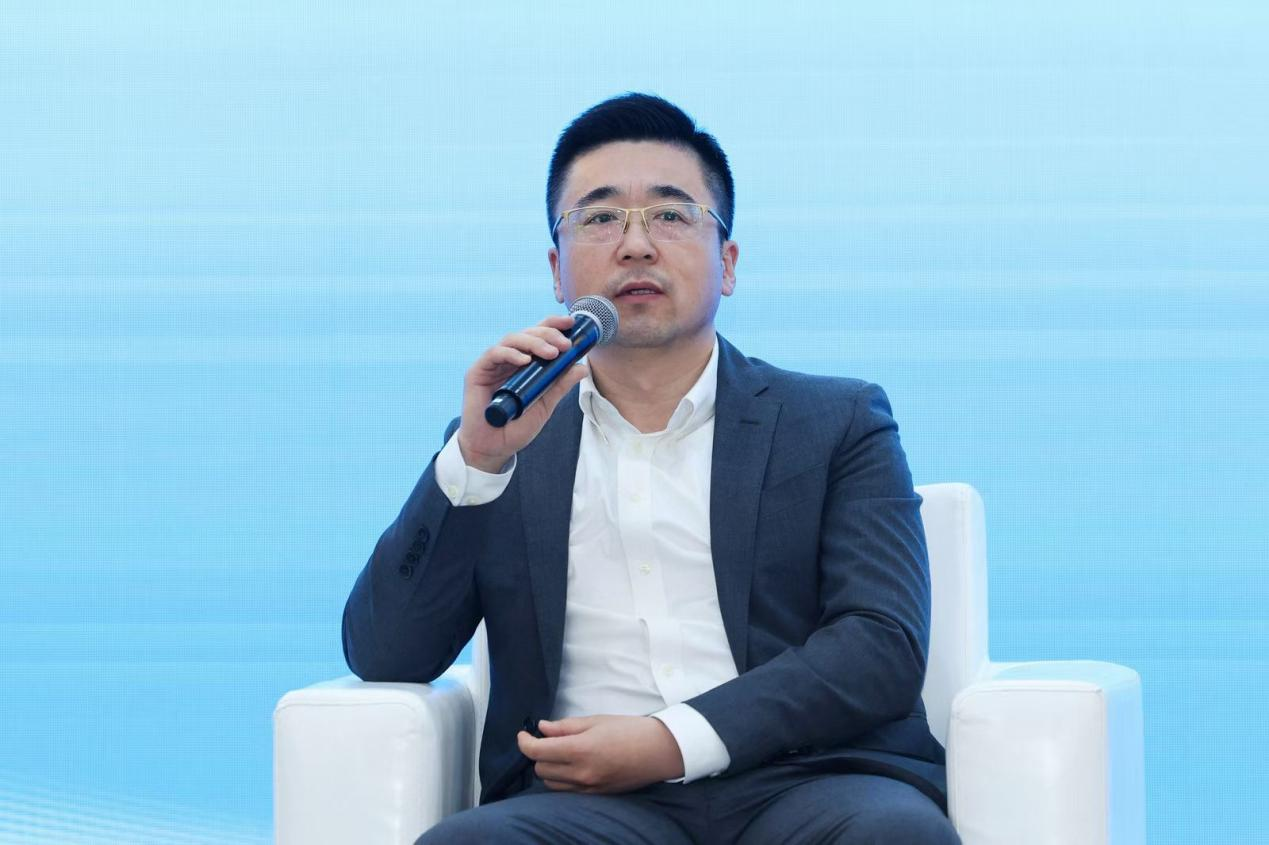
Jin Shengjie, director and general manager of Tianjin Reach Surgical
Jin Shengjie, a director and general manager of Tianjin Reach Surgical, said overseas expansion required companies to establish a lasting presence and persuade doctors to trust Chinese brands.
“The biggest question is whether doctors overseas trust Chinese medical devices and are willing to use them,” he said.
Jin described a medical devices sector long dominated by international giants, where Chinese products had often been met with scepticism.
At a gastrointestinal medicine summit overseas about two months earlier, however, he saw evidence that attitudes were changing. Years of product development in China, supported by rigorous quality management and high-standard lean operations, were beginning to pay off.
After nearly a year of sustained work in overseas markets, the company had earned greater customer trust and recognition for its products and treatment solutions, he said. Doctors in demanding markets such as Europe and Japan had responded positively, while sales were rising.
“The rise of Chinese brands such as Reach Surgical has given the industry a real confidence boost,” Jin said. “We can succeed overseas.”
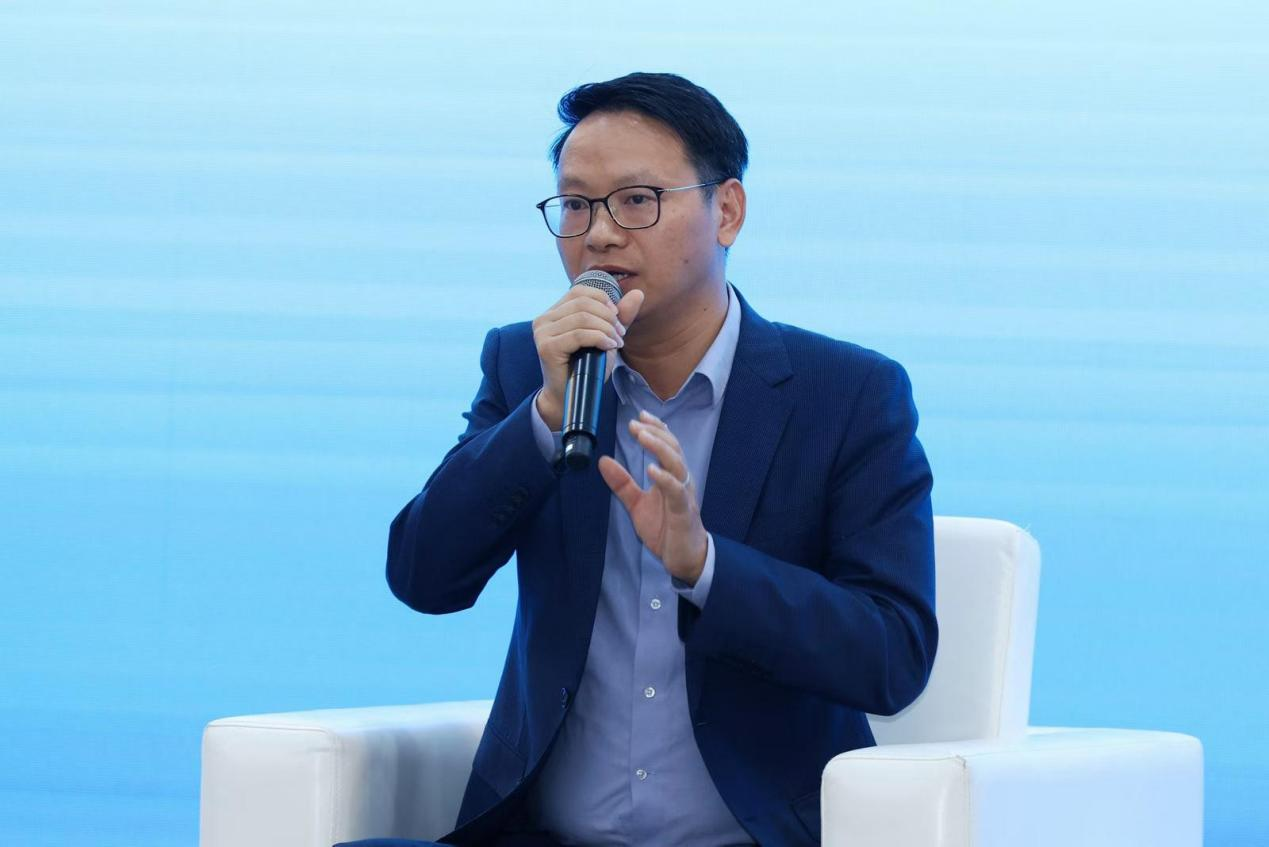
Dan Xiaoguang, deputy general manager of Wybotics Co., Ltd.
Dan Xiaoguang, deputy general manager of Wybotics Co., Ltd, said his company’s development reflected a broader shift in Chinese manufacturing over the past two decades.
It began as an original design manufacturer, developing and making products for other brands. Today, its own products account for most of its business.
“We used to make products for others. Now we define the standards ourselves,” Dan said. “The shift from exporting products to exporting technology is a snapshot of China’s move towards smarter manufacturing.”
The company, which makes robotic pool cleaners, is also pursuing opportunities in underwater cleaning and maintenance and a broader range of underwater cleaning applications.
Dan said the ability to connect technologies, partners and markets was another important part of innovation-led growth.
“You can see it in every product we export that can think for itself, and in every technological breakthrough led by a Chinese company,” he said.
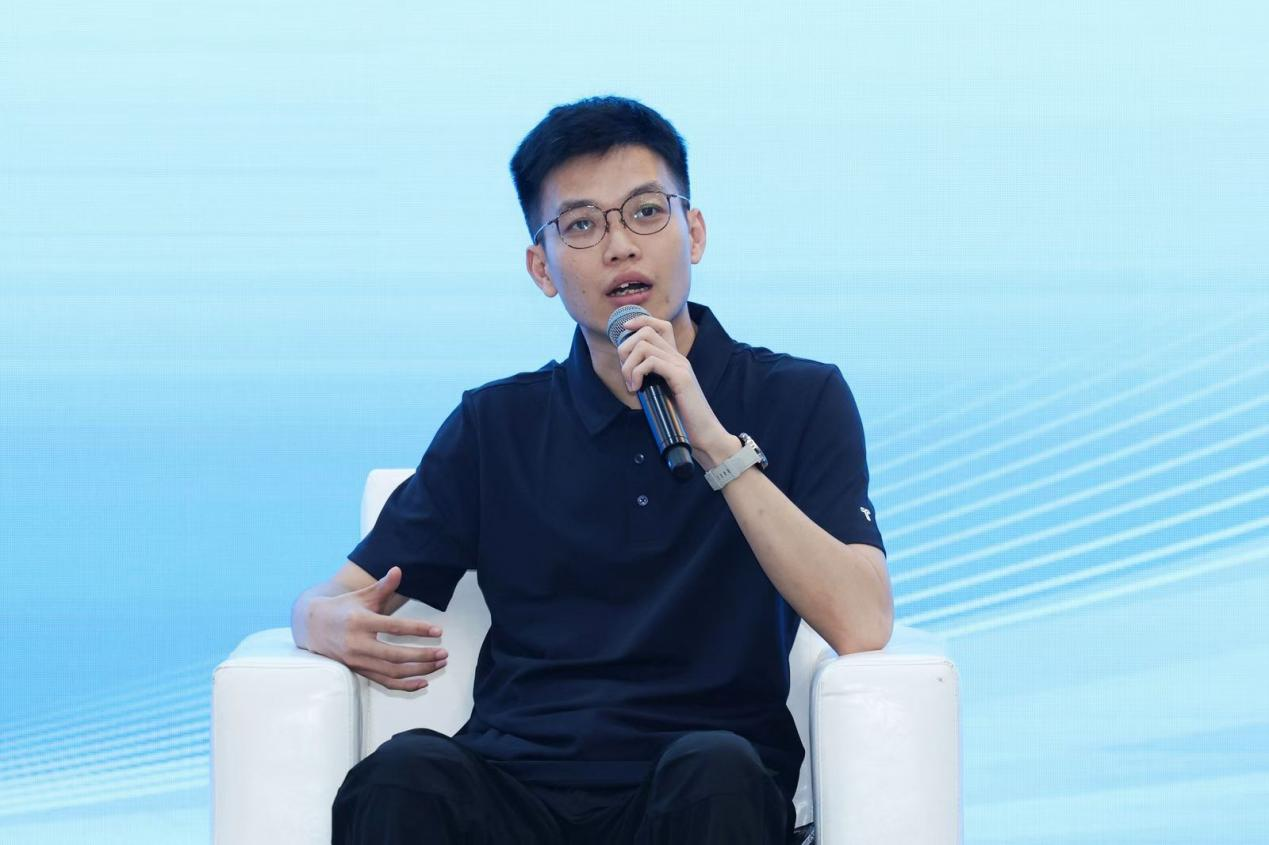
Gao Yuanzhe, director of business development at UBTECH Robotics’ Strategic Development Centre
Humanoid robots offer a particularly visible example of that shift, according to Gao Yuanzhe, business development director at UBTECH Robotics’ strategic development centre.
He said the company, founded nearly 15 years ago, had been exploring how humanoid robots could reshape both production and everyday life.
UBTECH’s approach has three stages: first, deploying robots in industrial settings where tasks are clearly defined and standardized; then expanding into commercial services; and ultimately bringing robots into homes as intelligent assistants and companions.
Gao said the company was already working with leading businesses in Europe, Japan, South Korea and the United States.

Mao Xuemei, media director at Atomrobot
Mao Xuemei, media director at Atomrobot, said her company’s overseas strategy had also evolved.
In its early years, Atomrobot focused on exporting high-performance parallel robots, challenging the longstanding dominance of foreign brands. It is now placing greater emphasis on understanding the specific industrial needs of each market and providing intelligent systems suited to local operating conditions.
“Taking innovation overseas is about more than shipping equipment across borders,” Mao said. “It is about putting down roots in overseas markets.”