By
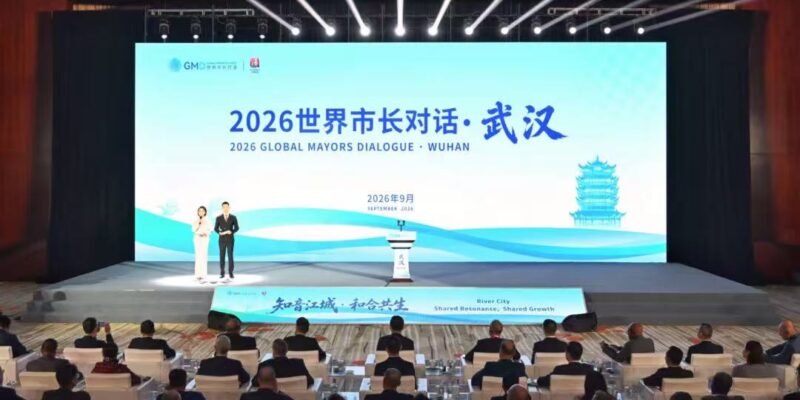
WUHAN, China — Marking the 20th anniversary of the sister-city relationship between Markham, Ontario, and Wuhan, Markham Deputy Mayor Michael Chan called on global municipal leaders to focus on practical results over geopolitical friction during the 2026 World Mayors Dialogue held September 18–21.
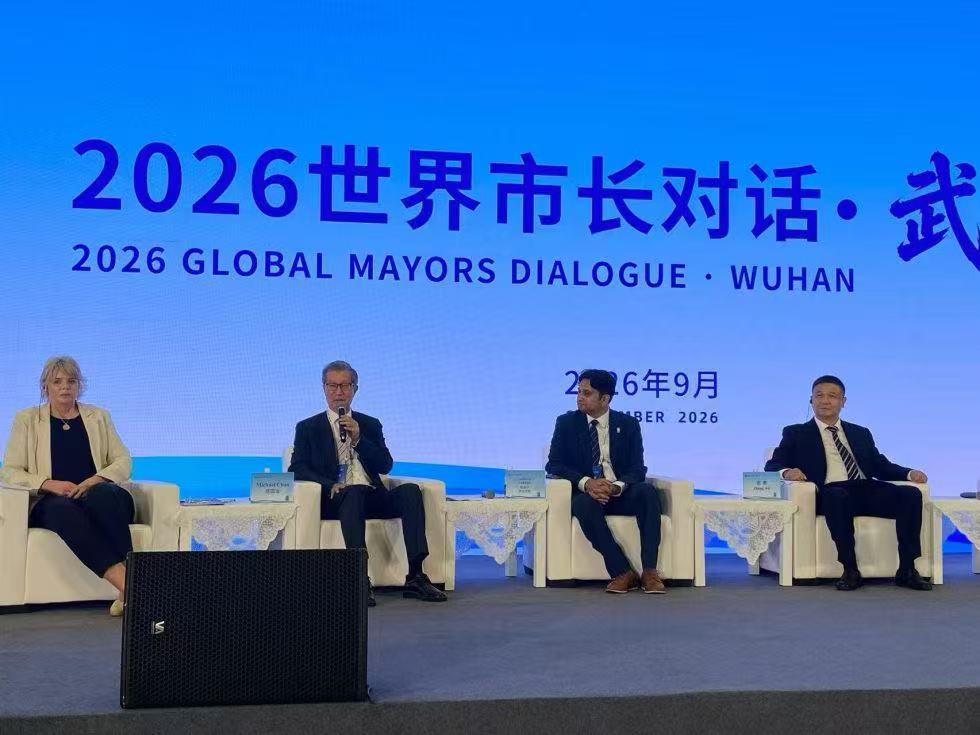
Addressing the forum’s theme of shared global urban development, Chan proposed evaluating public administration by its “institutional cost-performance.” He argued that municipal governance must be judged by execution speed and measurable public impact rather than ideology.
“What matters most to citizens are jobs, income, housing, education, healthcare, and quality of life, while businesses prioritize markets, costs, talent, and innovation,” Chan stated. Invoking the pragmatic principle that “it doesn’t matter whether a cat is black or white, as long as it catches mice,” he urged cities to reject trade protectionism and bloc confrontation in favor of policies that directly benefit residents.
Chan highlighted the complementary strengths underpinning Markham and Wuhan’s 20-year partnership. He noted that Wuhan provides deep industrial manufacturing, educational, and transport infrastructure in central China, while Markham offers advanced technology clusters, diverse talent, and access to the broader North American market. Rejecting zero-sum views of international trade, Chan pointed to artificial intelligence, green technology, healthcare, and youth exchanges as primary targets for future collaboration.
Facing borderless challenges including population aging, transit congestion, and climate change, Chan concluded with an appeal for city-level diplomacy to bridge global divides.
“Cooperation does not require cities to be identical; it only requires finding shared interests—and our greatest shared interest is improving the lives of our people,” Chan said, calling for “fewer barriers and more bridges” across international borders.
Reflecting on the nature of local governance, Chan introduced the concept of “institutional cost-performance,” emphasizing that the primary mandate of public administration is to deliver tangible improvements in residents’ daily lives. “What matters most to citizens are employment, income, housing, education, healthcare, and overall quality of life, while businesses focus on markets, costs, talent, and innovation,” Chan noted. He stressed that municipal leaders must evaluate policies based on implementation efficiency and measurable public benefits, transcending geopolitical divides to foster economic growth and civic well-being.
Highlighting the two-decade relationship between Markham and Wuhan, Chan pointed to the complementary strengths of both hubs. Wuhan serves as a major industrial, educational, and transportation center in central China, while Markham stands as a premier technology and professional services hub in Canada with direct access to the broader North American market. Chan emphasized that international trade and city-to-city partnerships are inherently mutually beneficial rather than zero-sum, identifying artificial intelligence, green technology, healthcare, and youth exchanges as key avenues for future collaboration.
As cities worldwide grapple with shared challenges including climate change, aging populations, and rapid technological shifts, Chan urged global municipal leaders to focus on shared interests over ideological differences. “City diplomacy thrives on open doors and pragmatic collaboration,” Chan stated, calling for greater communication, reduced trade barriers, and stronger institutional bridges to ensure local communities remain the primary beneficiaries of international friendship.