By

By Victoria Yan Yun | Photos by Angela Lui
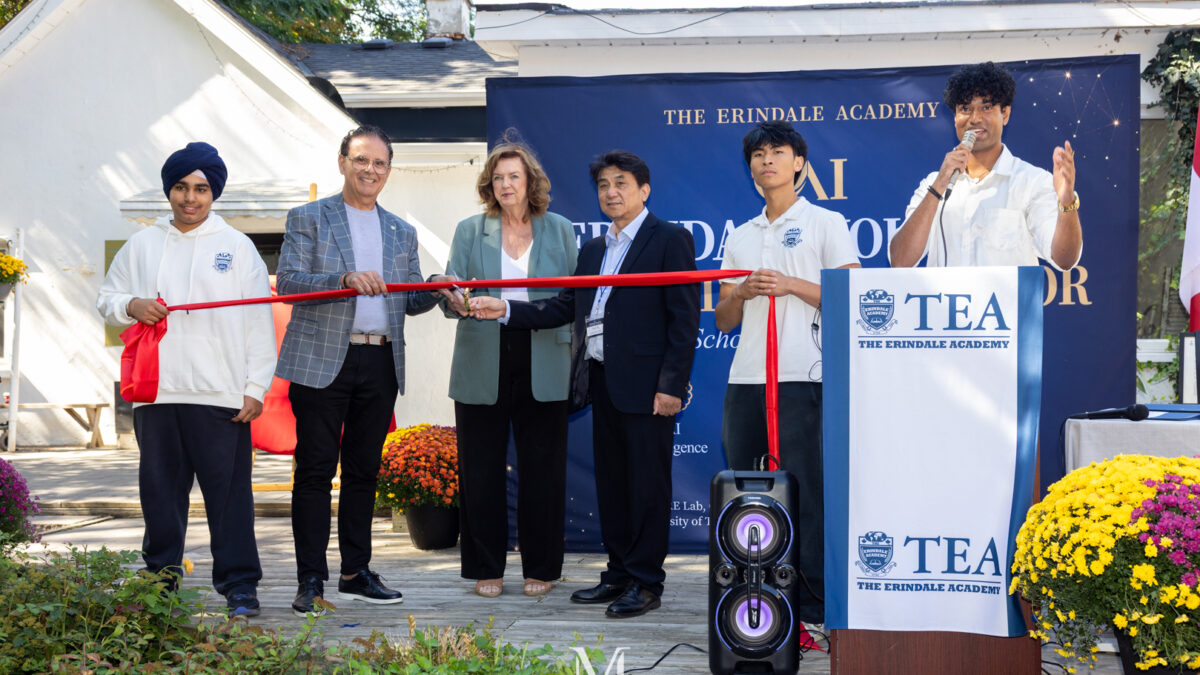
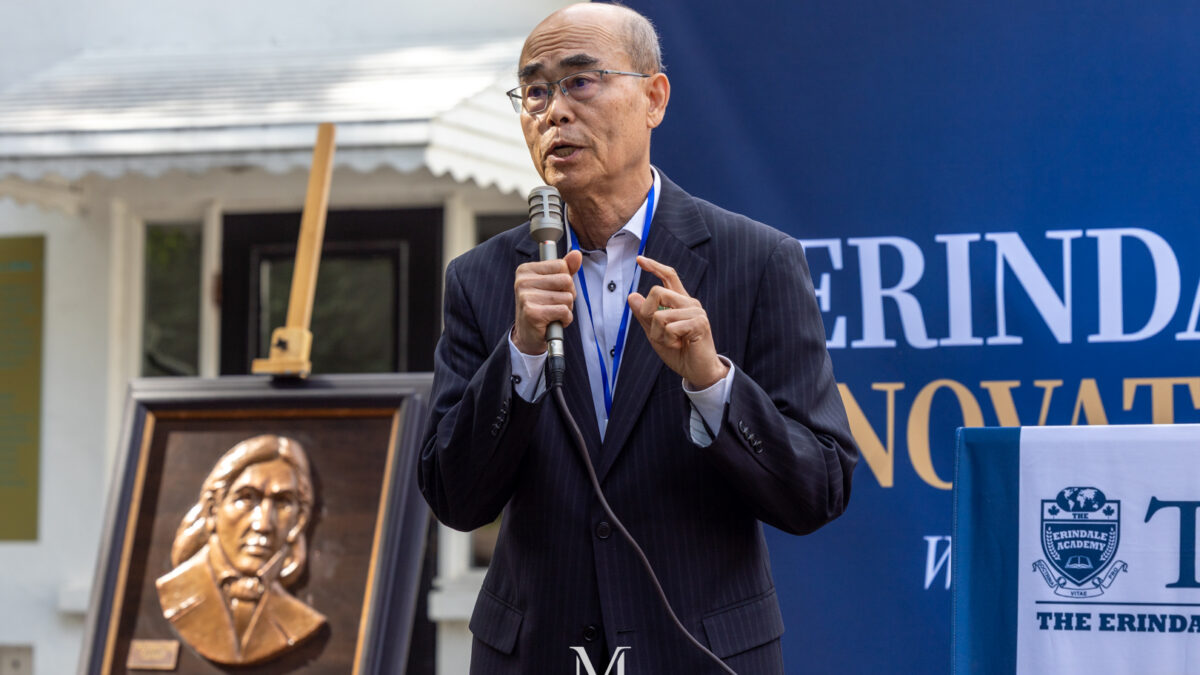
MISSISSAUGA, ON — University research and startup resources are moving into the high-school classroom in Mississauga, where a new program is giving students hands-on experience with artificial intelligence, entrepreneurship and real-world problem solving.
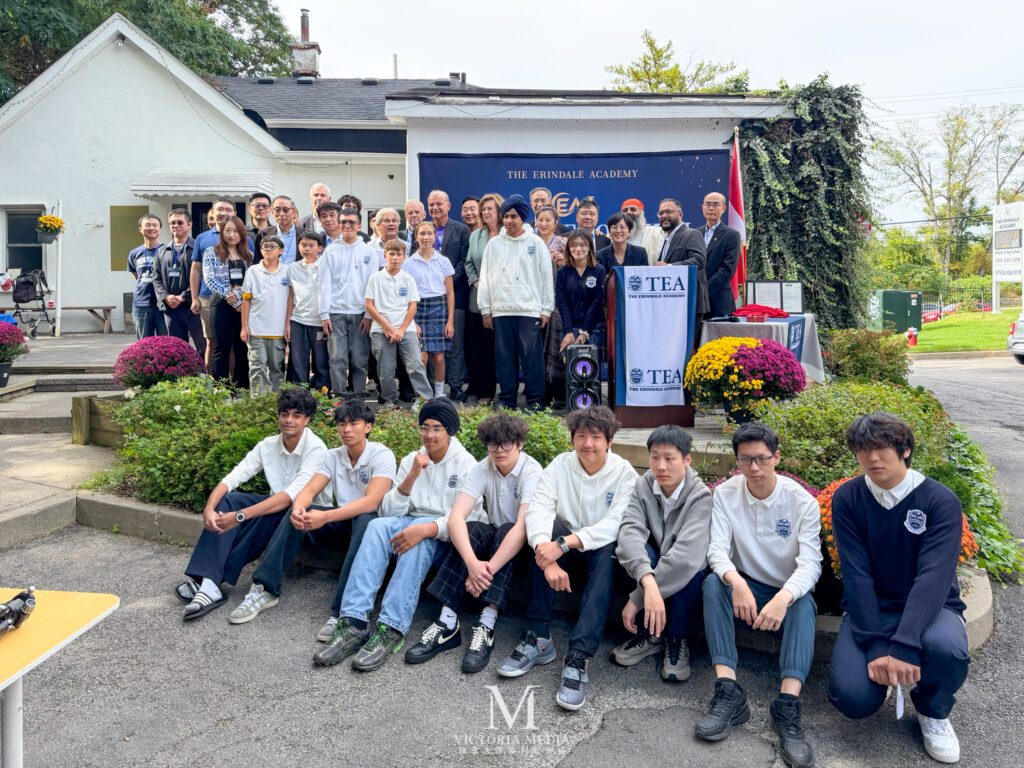
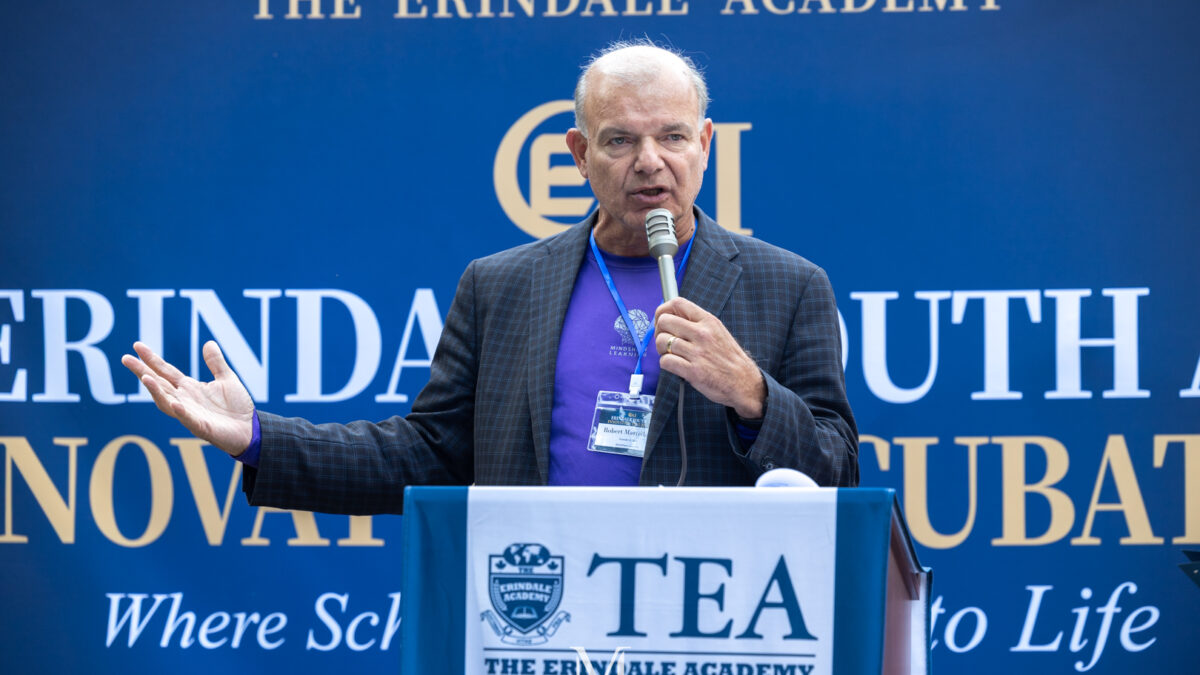
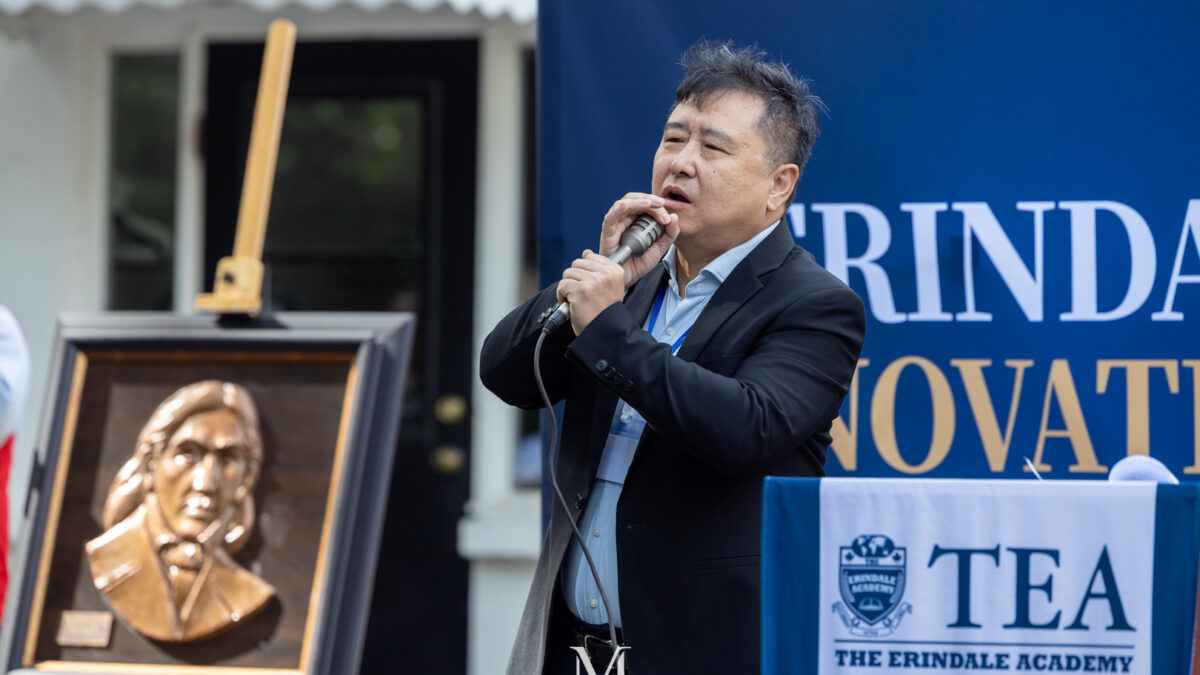
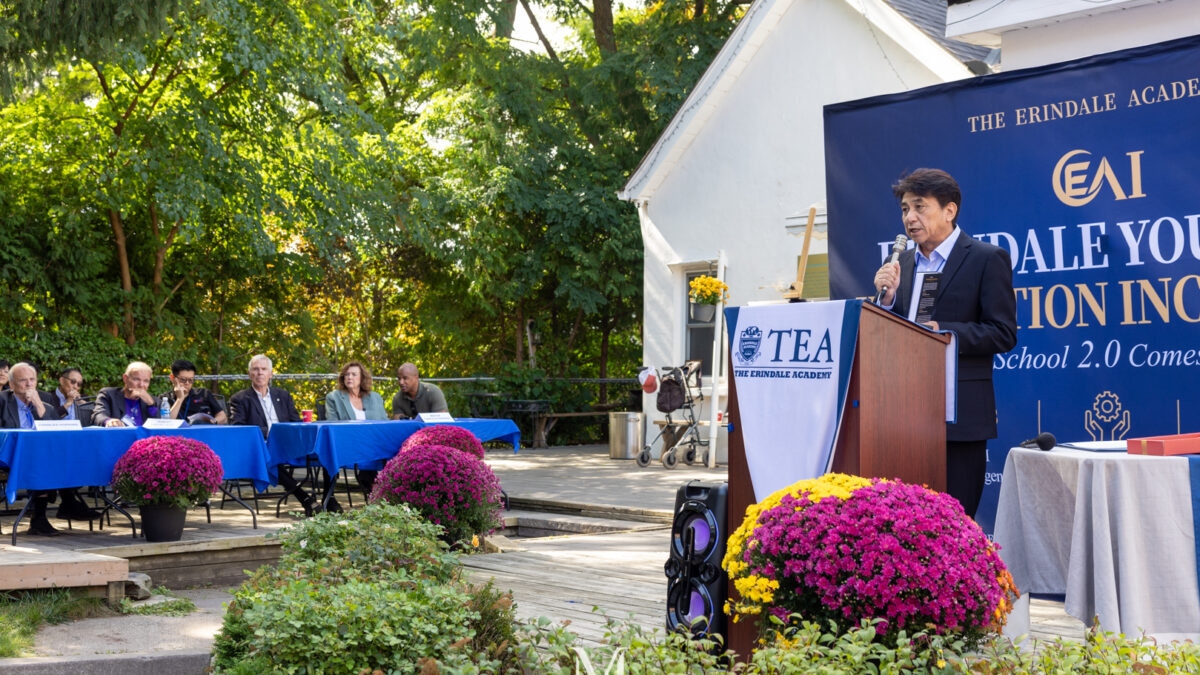
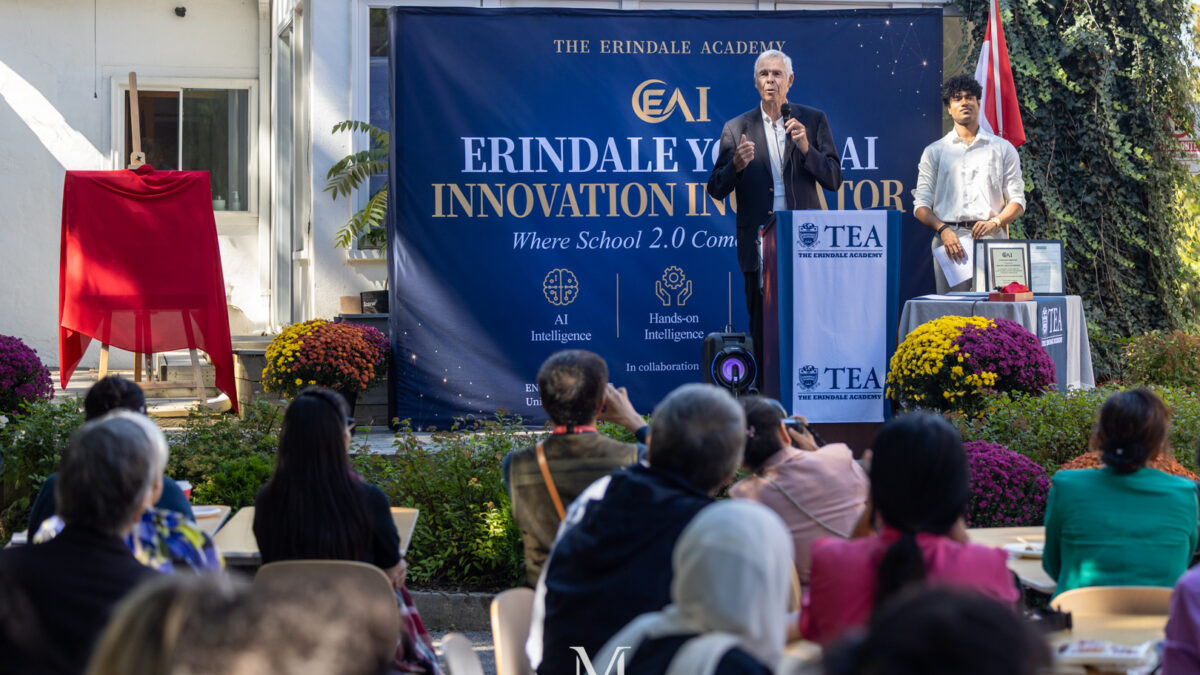
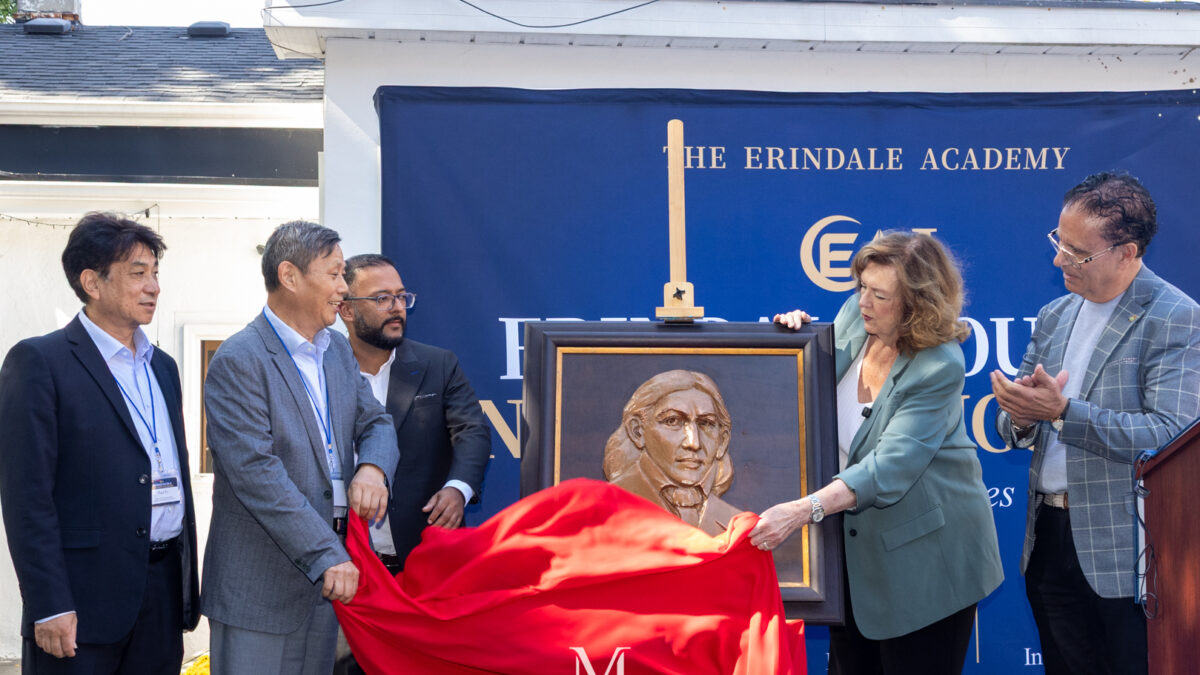
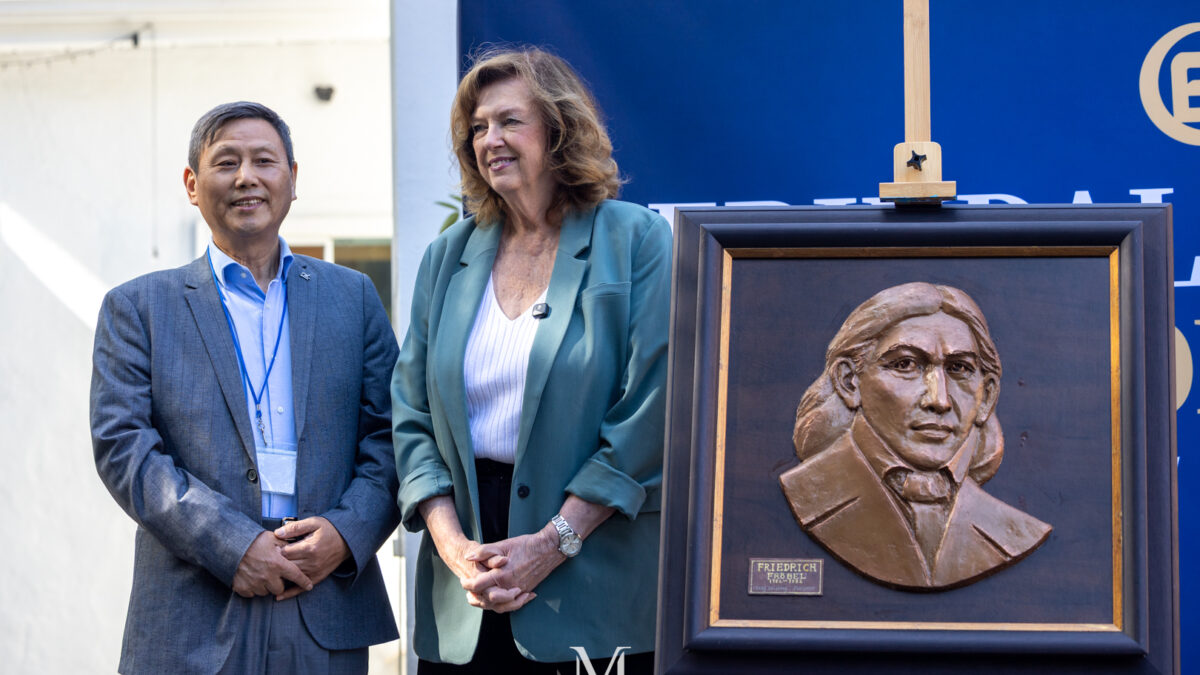
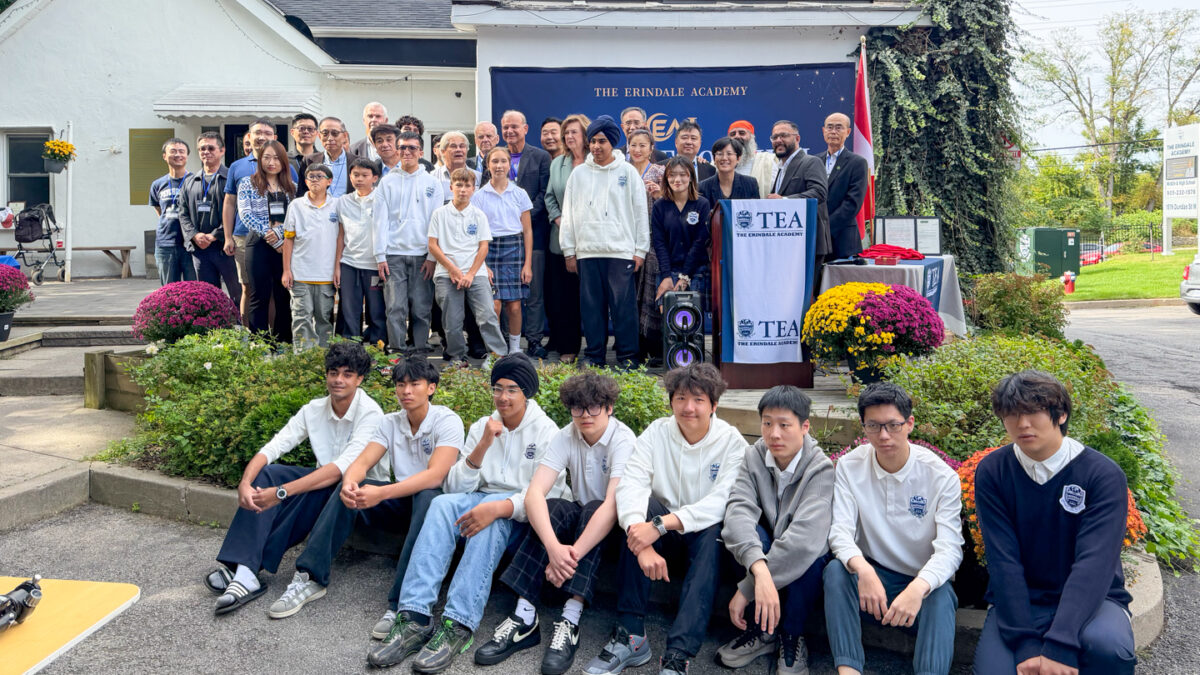
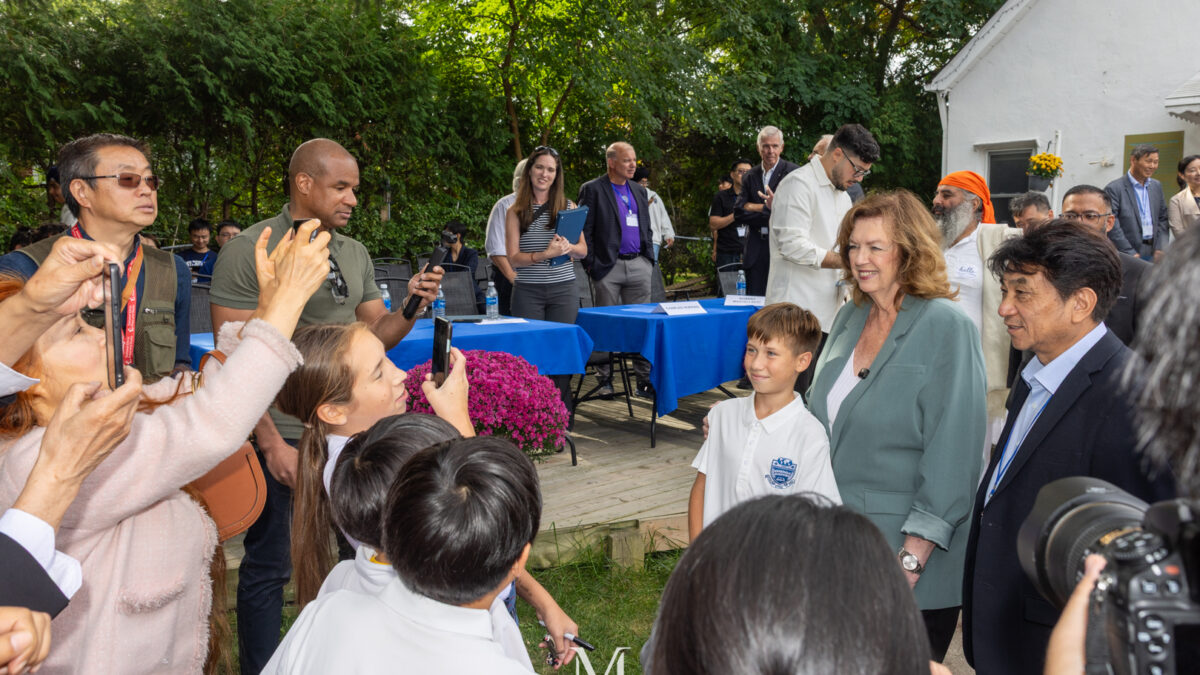
The Youth AI Innovation Incubator is a partnership between the University of Toronto Mississauga’s ICUBE entrepreneurship hub, the ENCORE Lab at the Ontario Institute for Studies in Education (OISE) and The Erindale Academy. More than 200 representatives from education, industry and the community attended the program’s launch, along with Mississauga Mayor Carolyn Parrish.
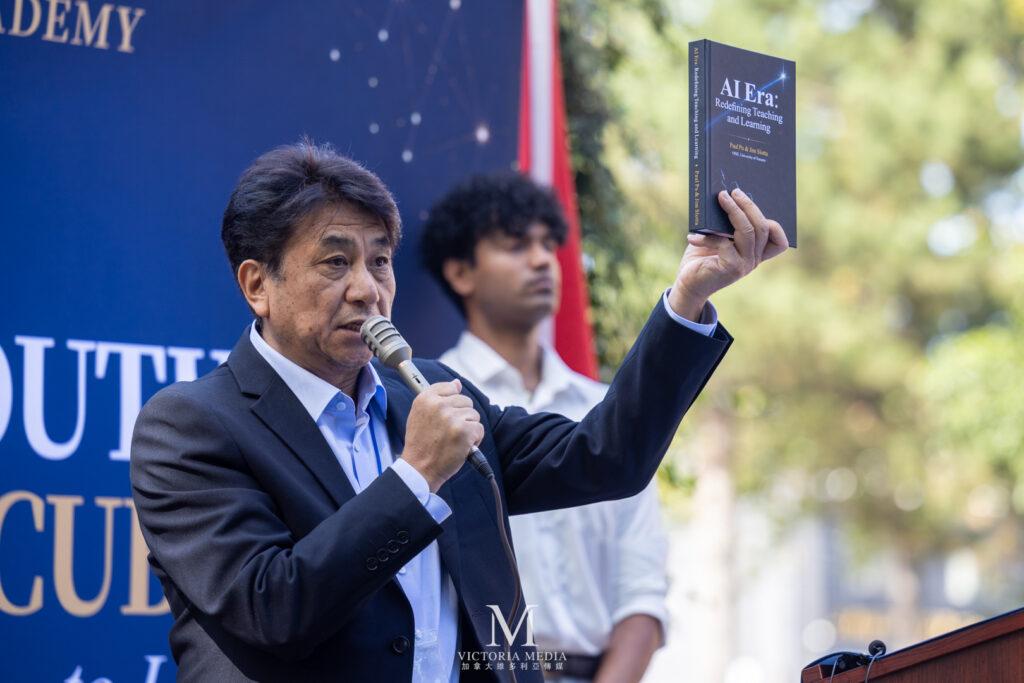
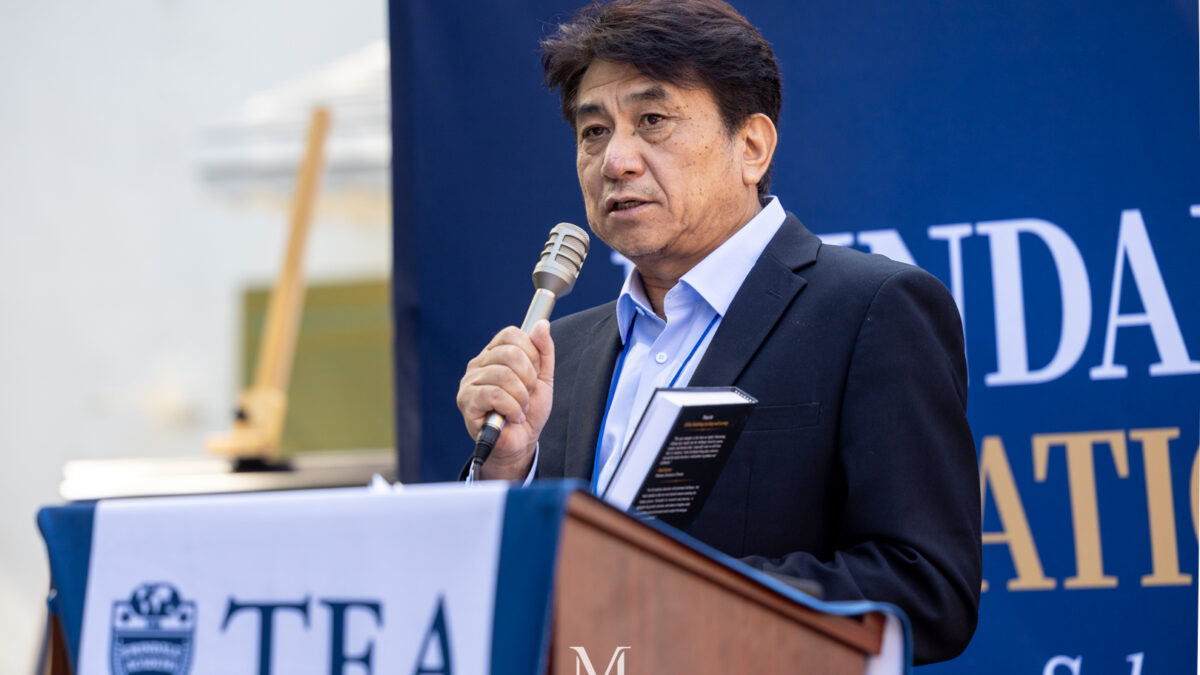
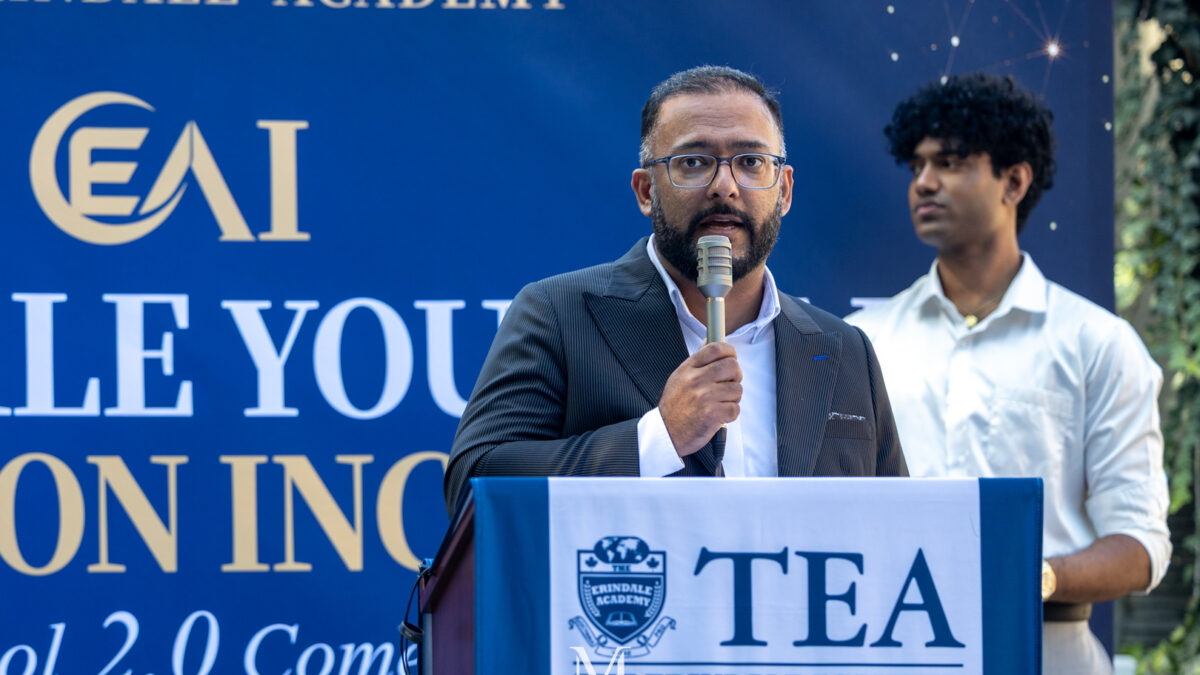
Dr. Paul Pu, director of The Erindale Academy, said participating students will work with university professors, entrepreneurship specialists and industry mentors to develop AI applications and prototypes around real-world problems.
The program will take students beyond the traditional classroom, with activities held at The Erindale Academy, UTM’s ICUBE incubator and OISE’s makerspace. Students who complete the program can earn a high-school credit and an ICUBE certificate, take part in startup-style pitches, and potentially connect more developed projects with youth entrepreneurship funding in Mississauga.
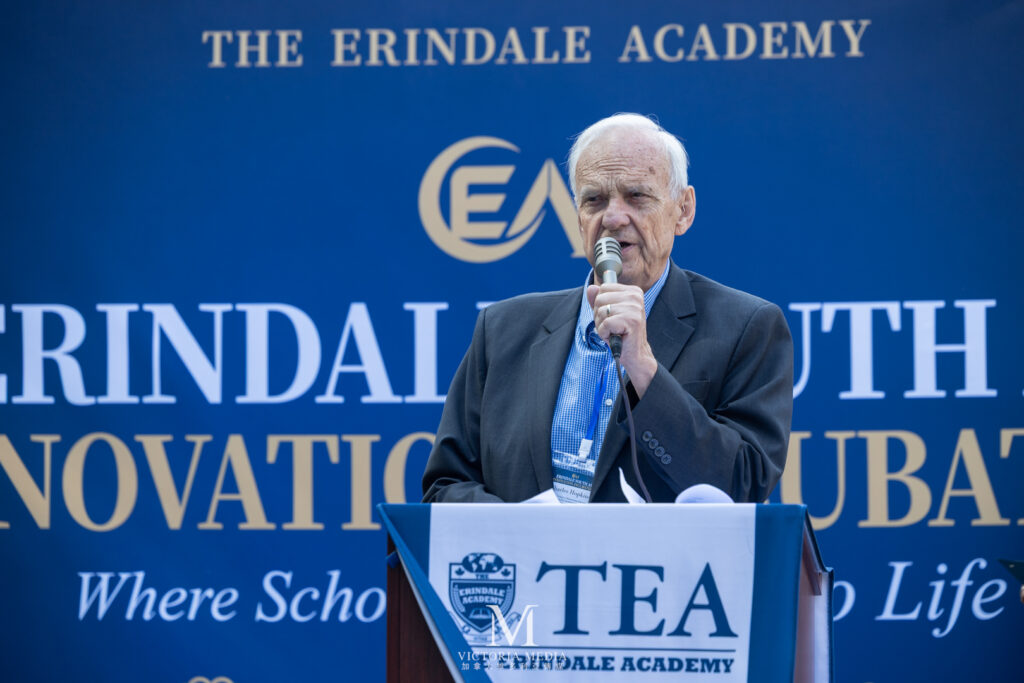
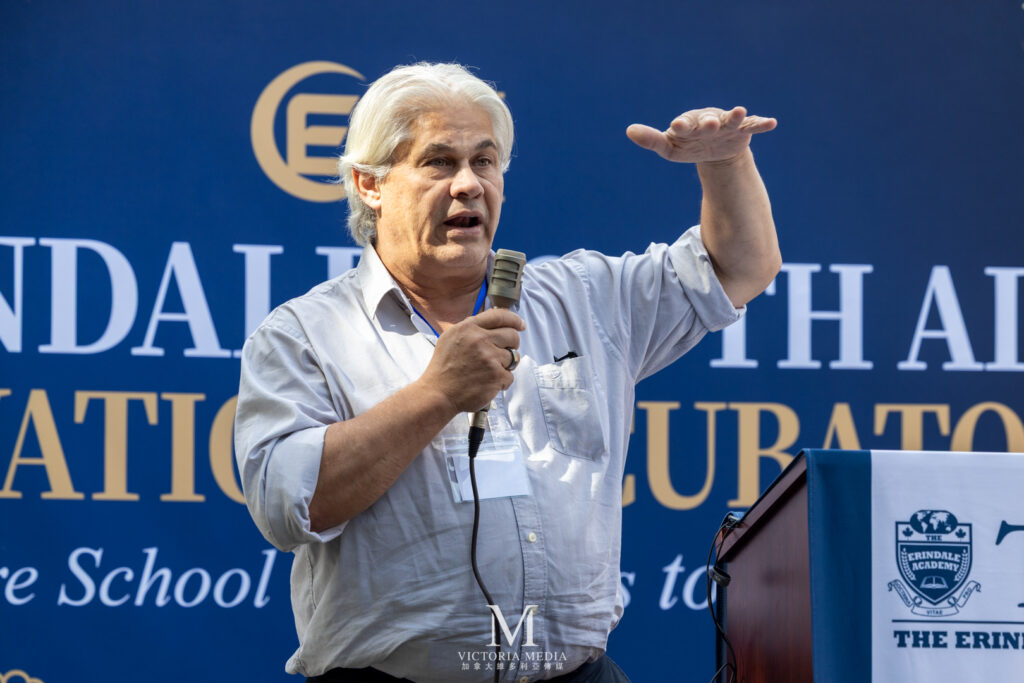
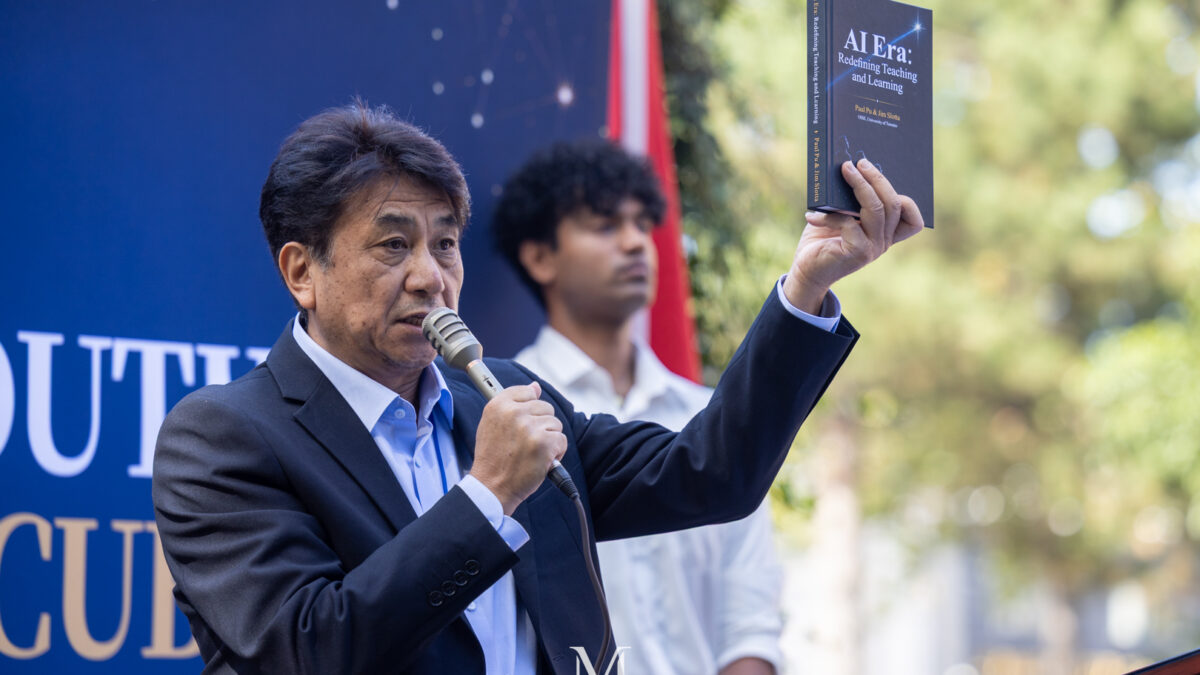
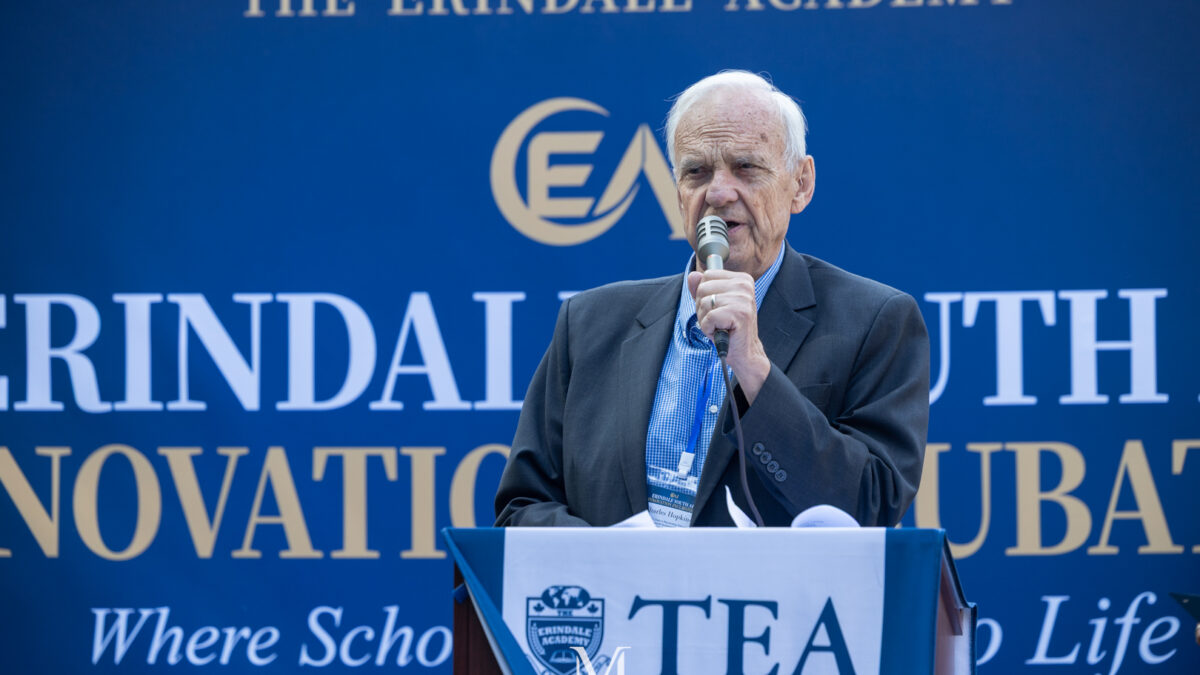
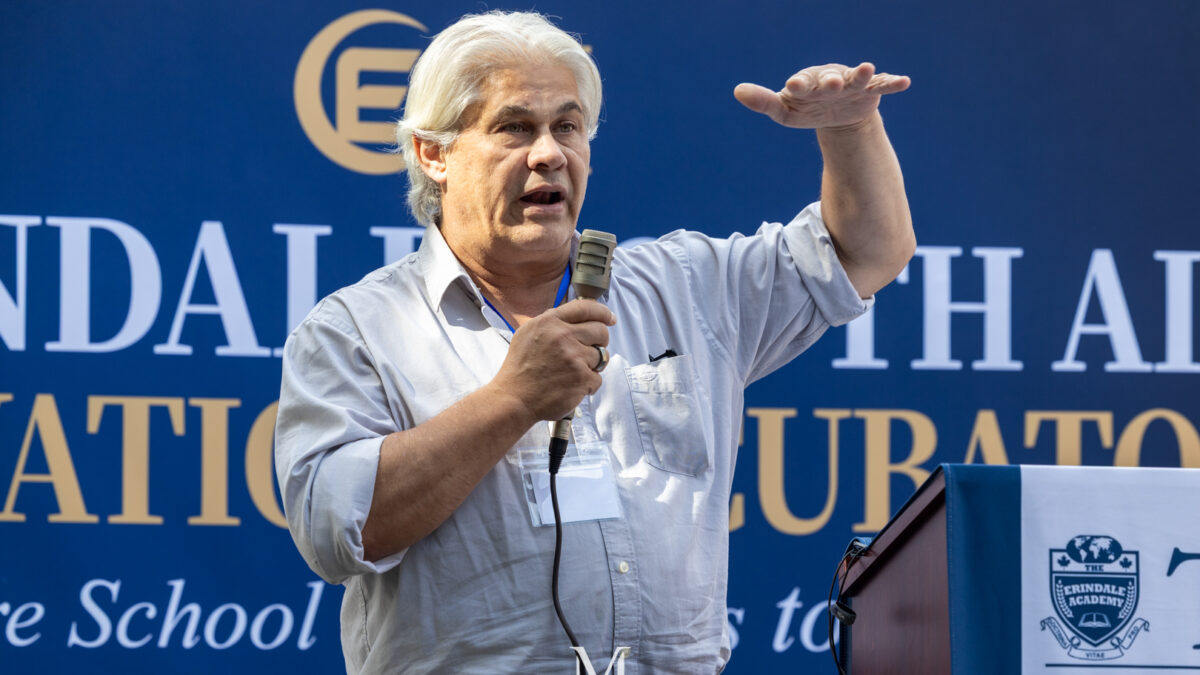
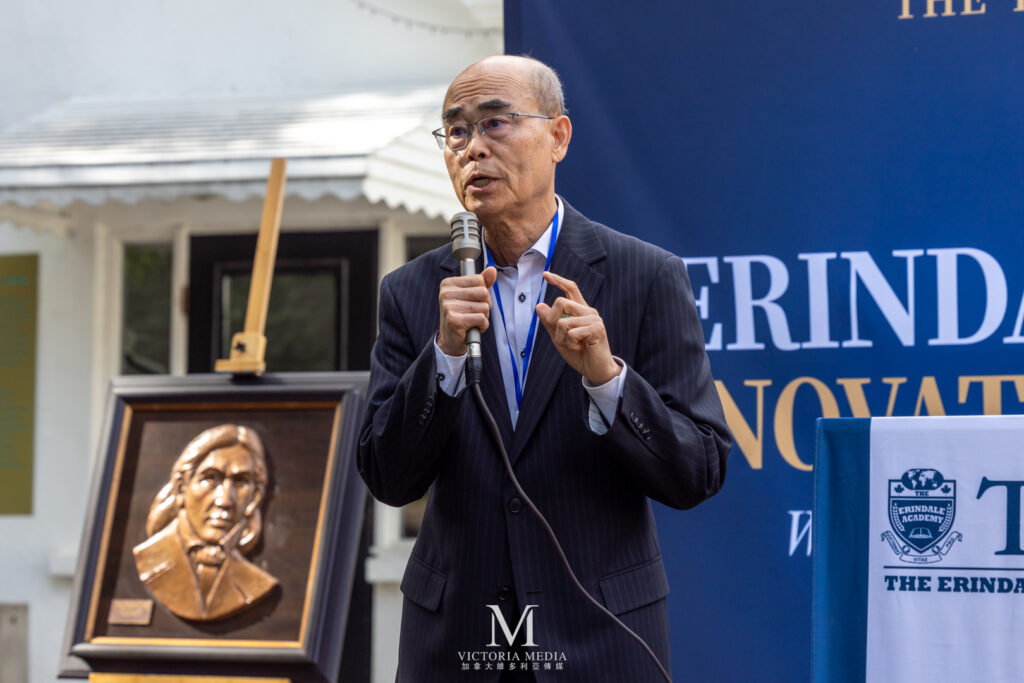 The mentor team includes specialists in artificial intelligence, data science, finance and education, among them Charles Hopkins, UNESCO Chair in Reorienting Education towards Sustainability; University of Toronto Distinguished Professor Jim Slotta; and Toronto Metropolitan University professor Howard Lin.
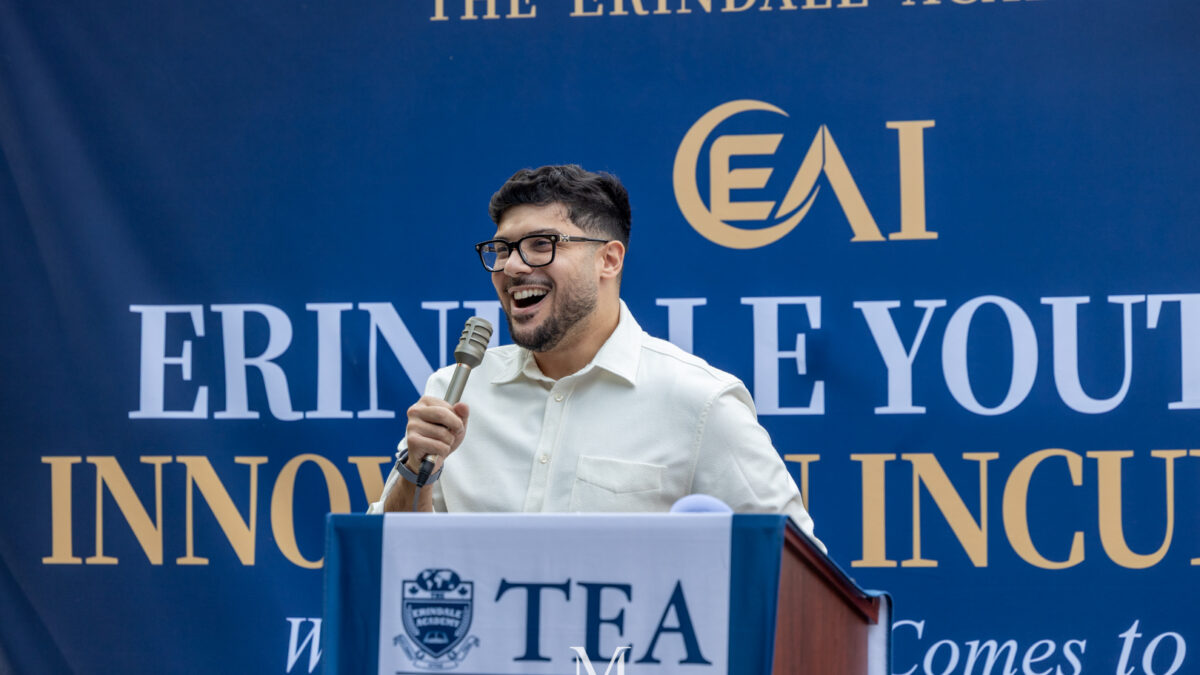
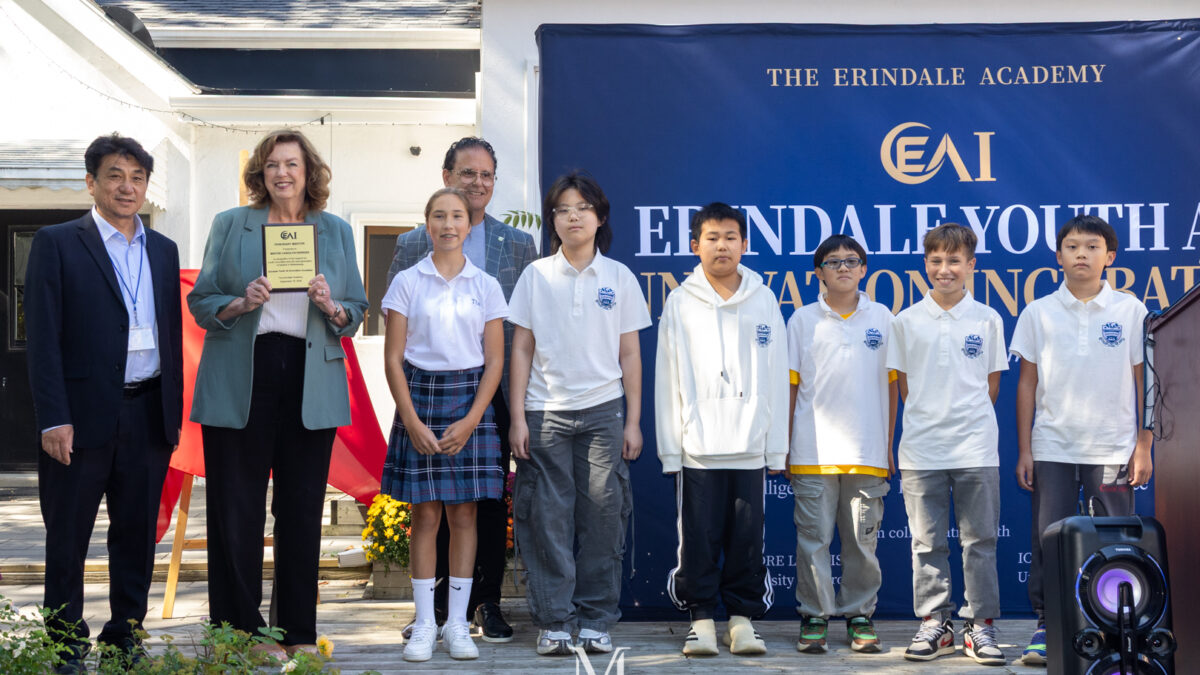
At the launch, participating students presented early-stage AI business ideas focused on areas including youth investing, study and time management, and sports product selection.
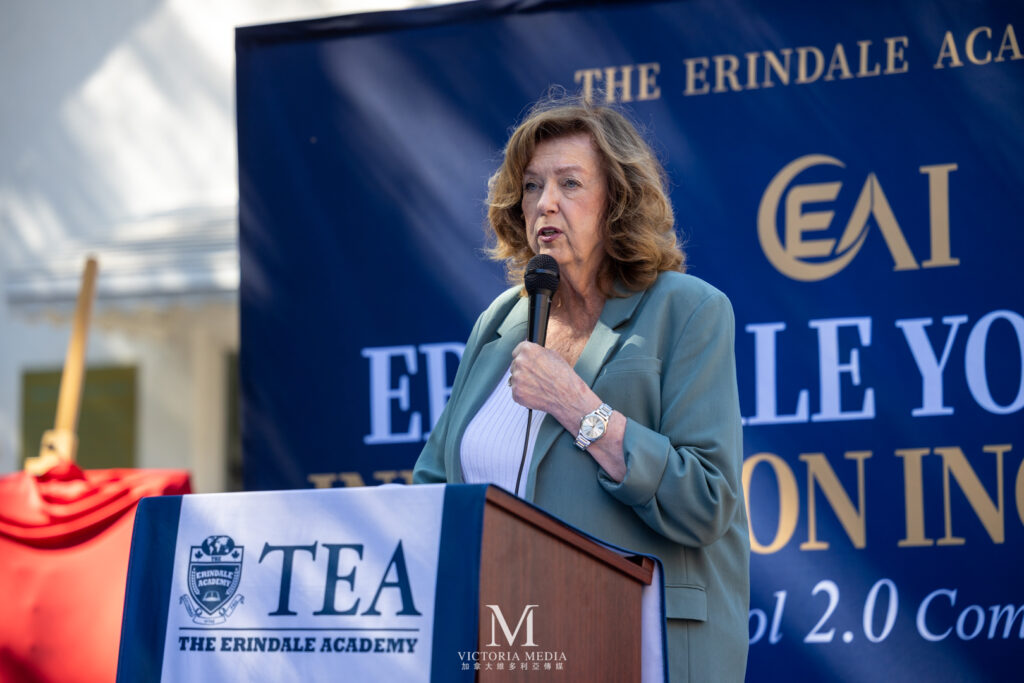
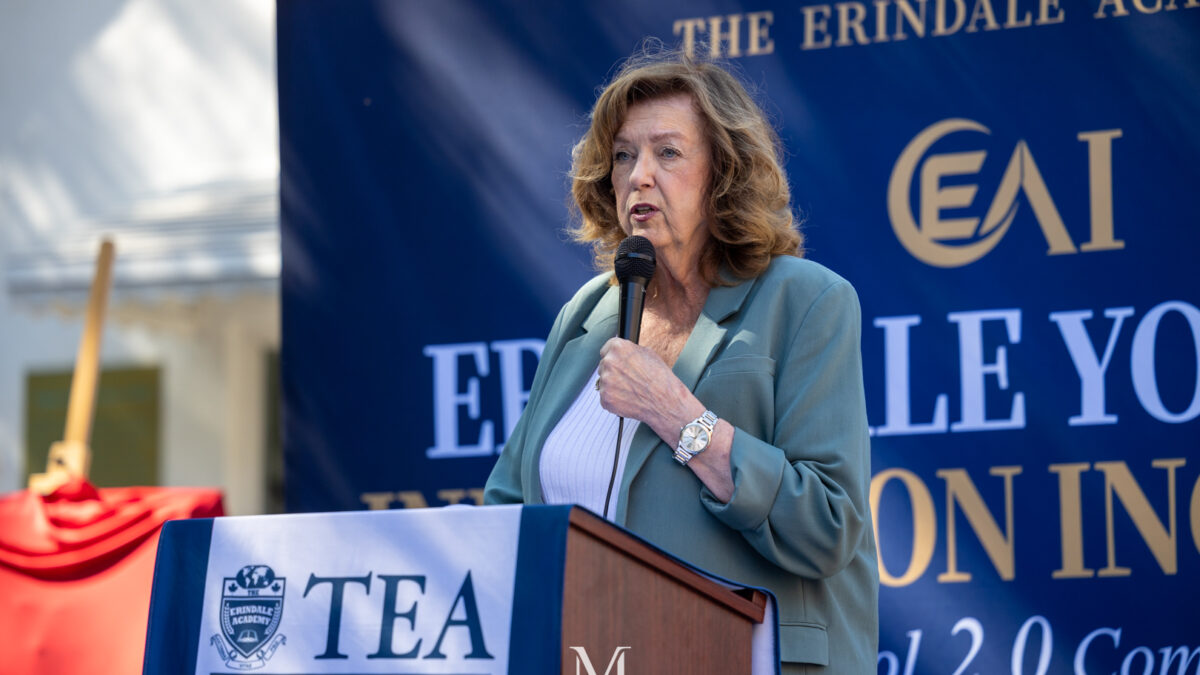
Parrish said extending university innovation and incubation resources into secondary education could give young people earlier exposure to emerging technologies and practical experience applying them.
The initiative reflects a broader shift in how educators are approaching AI. Rather than treating the technology solely as a classroom aid, the program positions students as developers and problem solvers, using AI to build and test their own ideas.
By connecting a high school directly with university researchers and a startup incubator, the Mississauga initiative is also testing a model in which secondary education, higher education and entrepreneurship begin to overlap much earlier.